Next Gen MyG
Redesigning the mental model of an enterprise fleet OS
MyGeotab's navigation mirrored the org chart, not how operators think. 98.7% of users never discovered more than one feature — a structural problem disguised as onboarding friction. This case study covers the platform-wide IA redesign that replaced legacy navigation with a Hub & Spoke model grounded in user mental models.
Context & Constraints
MyGeotab served over 500,000 fleet operators worldwide — but 98.7% of them never made it past a single feature. The platform's navigation had grown organically for years, organised around internal teams rather than user workflows. The result: a surface that was technically complete but cognitively fragmented. Operators couldn't find what they needed. Fleet managers couldn't onboard their teams. And Geotab was losing SMB customers at a rate that pointed squarely at the product experience, not sales.
Navigation built for the org chart
Menu structure mirrored internal feature ownership — not how operators actually think about fleet management tasks.
98.7% single-feature abandonment
The overwhelming majority of new users never explored beyond their entry point — a signal of structural friction, not a training gap.
SMB churn was accelerating
Smaller customers lacked dedicated training resources, meaning they hit the complexity wall earlier and churned faster than enterprise accounts.
Legacy architecture at scale
Any redesign had to preserve mission-critical workflows for existing operators — a big-bang replacement was off the table.
What research revealed
Navigation was the symptom — IA was the problem
Surface-level nav tweaks had been tried before. User research showed the issue ran deeper: the entire information architecture mirrored internal org structure, not user mental models. Operators think in tasks and entities, not feature categories.
Users think in entities, not features
Fleet managers organise their work around vehicles, drivers, and zones — not around the product team that built each feature. The new IA needed to start from these entities and radiate outward to related actions.
Complexity isn't the problem — discoverability is
MyGeotab's power is real. The failure was that users couldn't find or connect features. A Hub & Spoke model — core apps front and centre, specialist apps one layer in — matches how operators already think about their workflow.
Design System
A Hub & Spoke IA model that organises the platform around user mental models rather than internal feature ownership.
Hub — Core apps always visible
The six highest-frequency tasks (Map, Trips, Vehicles, Drivers, Alerts, Reports) form the always-visible Hub — the operator's home base for daily work. No hunting required.
Spoke — Specialist apps one layer in
Industry-specific and advanced features live in a contextual Spoke layer — present when relevant, out of the way when not. Reduces cognitive load for new users without hiding power from experienced ones.
Design Blueprint
A documented rulebook governing how Hub and Spoke items are defined, promoted, demoted, and sequenced. Teams can evolve the platform without fracturing the model — enabling autonomous delivery without central approval for every change.
Progressive disclosure
New operators see a guided, simplified entry state. As usage grows, the platform adapts — surfacing advanced tools contextually based on actual workflow, not assumed expertise.
Role & Ownership
Design Lead
- Directed the end-to-end IA redesign — from research synthesis and model definition through to the Design Blueprint and V2 beta rollout.
- Wrote the system rulebook governing how Hub and Spoke items are defined, promoted, demoted, and sequenced — enabling teams to ship without central design approval.
- Led cross-functional alignment across product, engineering, and customer success to validate the model against real operator workflows before any build.
- Designed the progressive disclosure logic — ensuring new users get a coherent entry experience without stripping power from experienced operators.
- Partnered with V2 beta customers (1,000 operators) to iterate on the model in production ahead of full open beta.
Outcome & Impact
Measured in production — V2 close beta with 1,000 customers
71% lower new-user churn
The Hub & Spoke navigation directly addressed the structural friction driving SMB abandonment. Operators found their core workflows without guidance or training.
Broader feature discovery
Users who previously engaged with a single feature began naturally exploring adjacent capabilities within the Hub — without any prompting or onboarding intervention.
Autonomous team delivery
The Design Blueprint enabled product teams to make IA decisions and ship changes without requiring central design sign-off for every addition.
Open beta on track
Following a successful 1,000-customer close beta, Next Gen MyG is on track for open beta — a rollout that will reach the full 500K+ operator base.
More work at Geotab
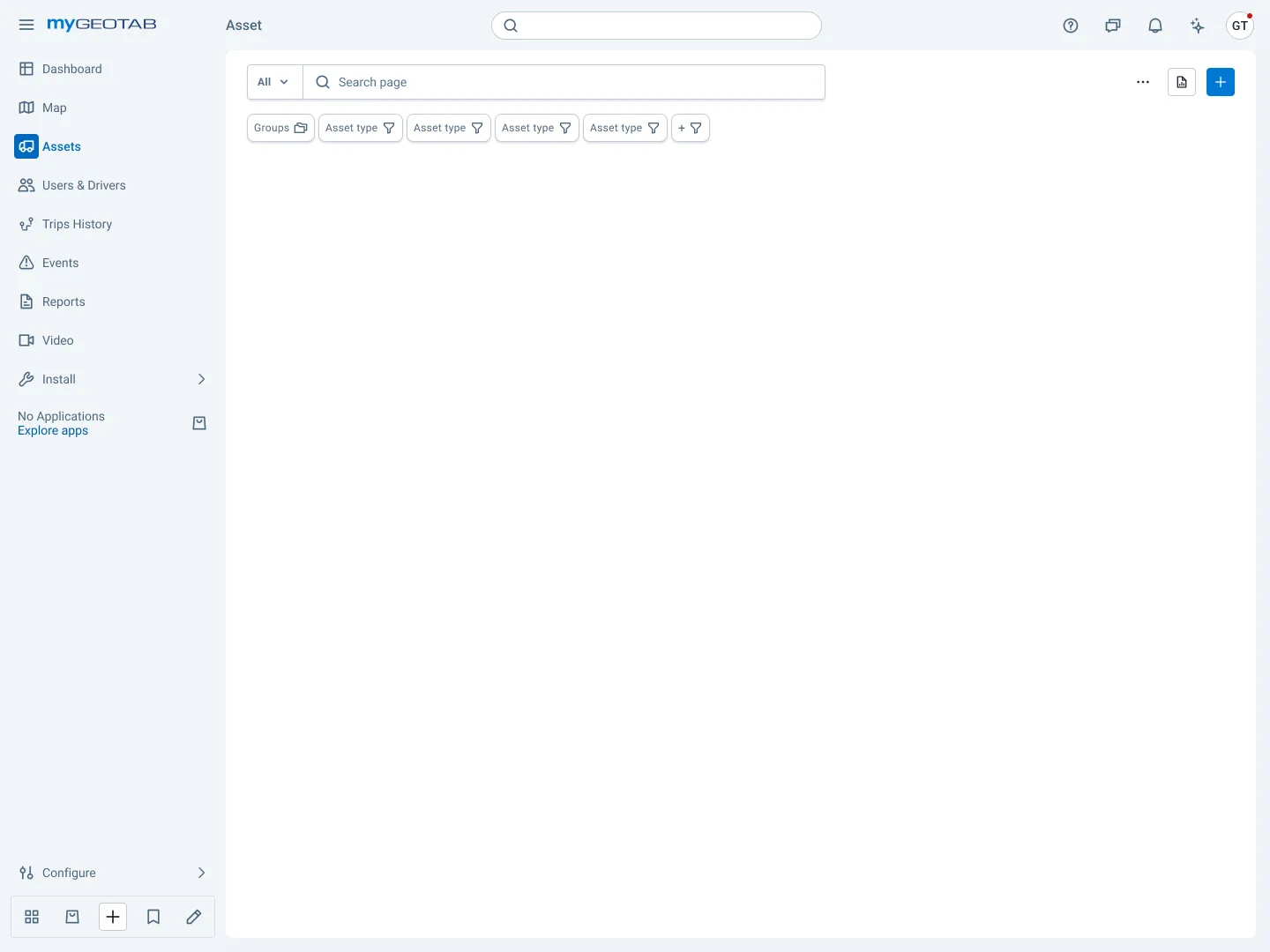
Platform Paper Cuts
Identifying and eliminating high-frequency usability issues — shifting platform culture toward fixing fundamentals safely and continuously.
View case study →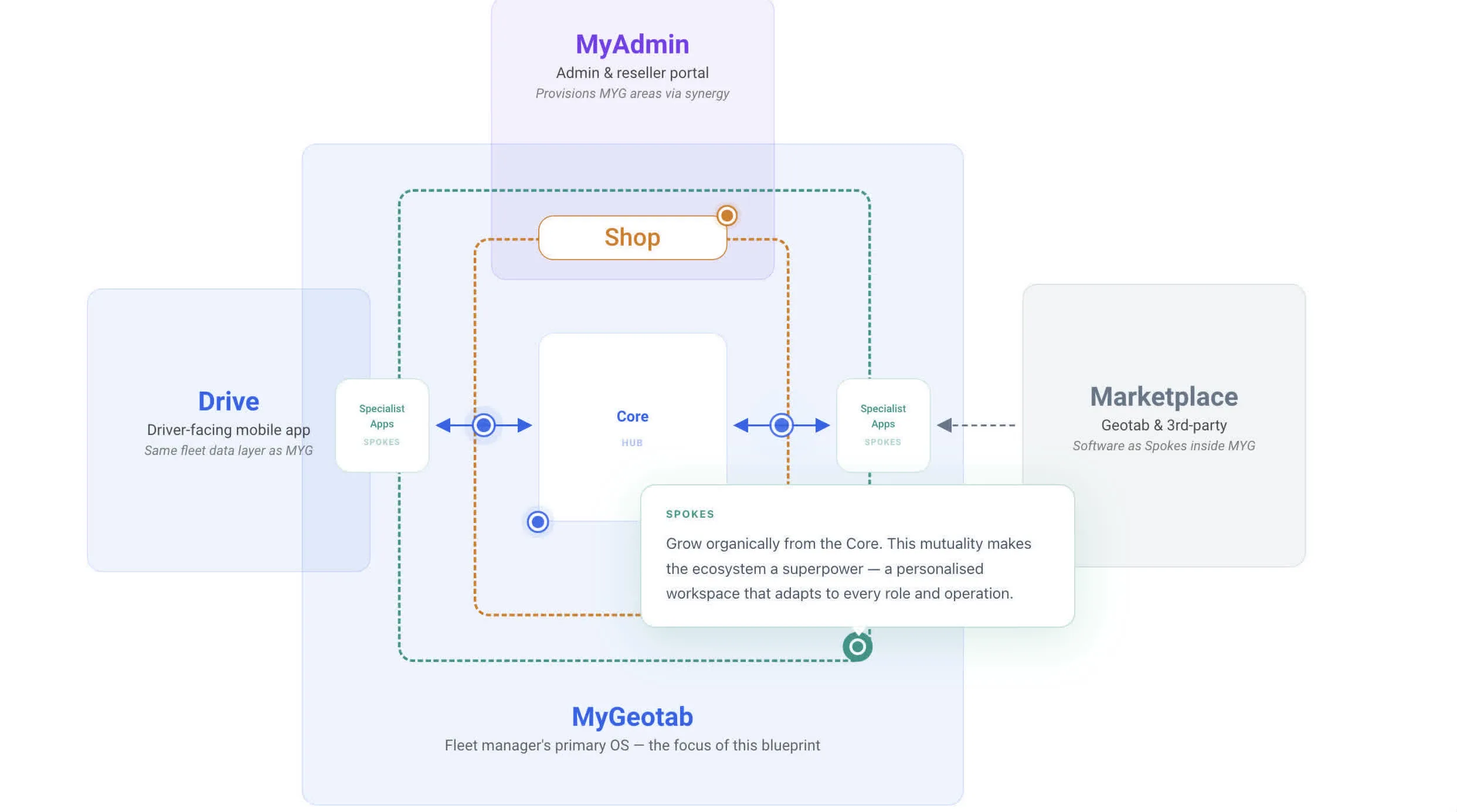
Dashboard & Shared Patterns
Defining shared patterns for high-traffic surfaces — aligning interaction models across teams and reducing rework.
View case study →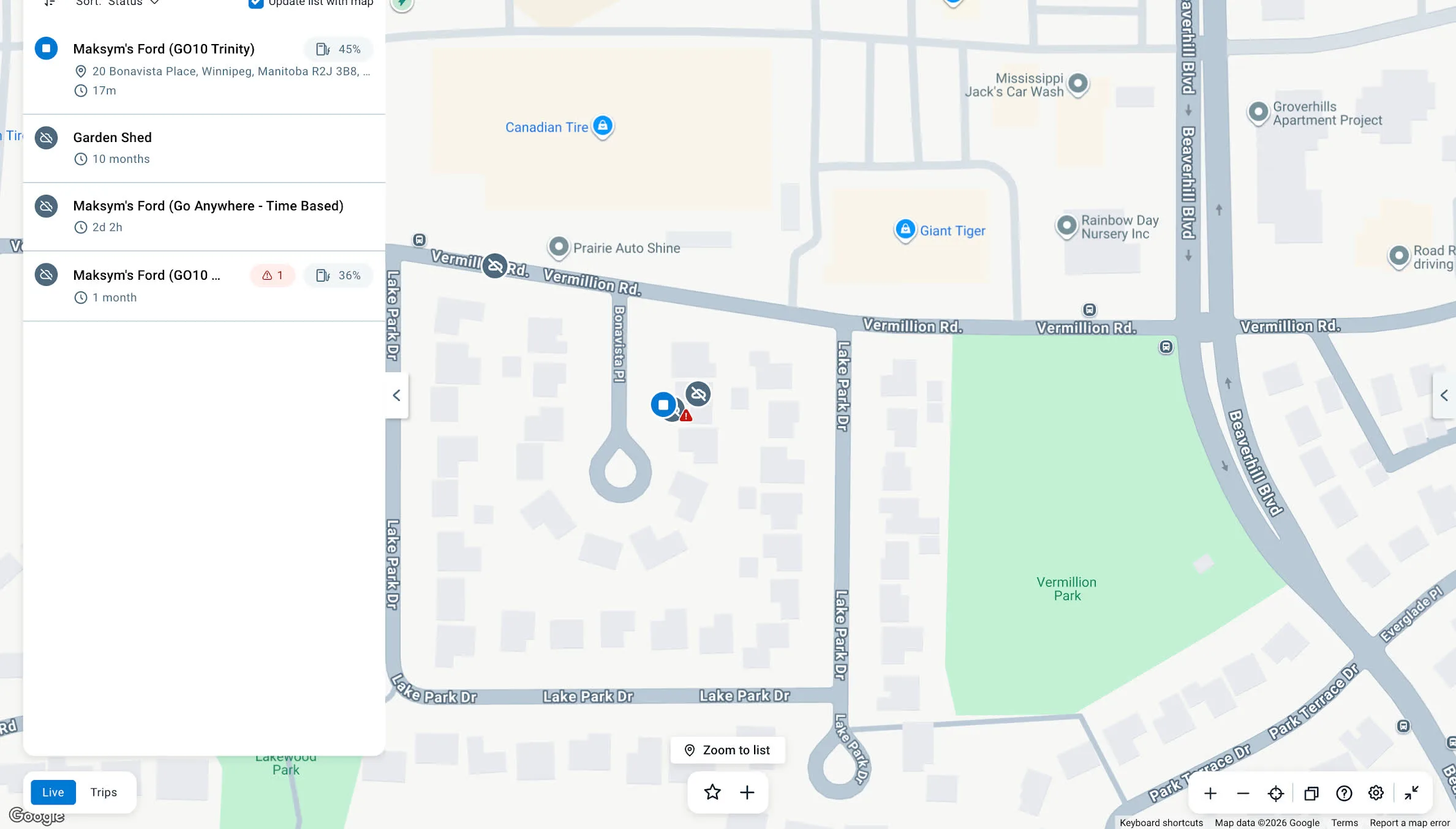
Map / Trips / Zones
Unifying live tracking and historical trips into one coherent surface — redesigning the most-used page in MyGeotab.
View case study →