Coca-Cola — Packaging Innovation
Consumer insight-led packaging innovation for the kids' drinks category
Explored unmet needs, behaviours, and decision drivers across parents and children to identify meaningful packaging innovation opportunities — without over-indexing on novelty in a highly competitive, regulated category.
Context & Constraints
The kids' drinks category faces intense competition and heavy regulation, shaped by overlapping — often conflicting — priorities between children and parents. Existing packaging struggled to balance appeal, trust, and functional clarity across both audiences. The challenge was identifying meaningful innovation grounded in real behaviour, avoiding novelty for its own sake. Risk factors included concepts appealing to one audience at the expense of the other, or addressing surface-level aesthetics rather than the functional and emotional drivers of purchase and repeat behaviour.
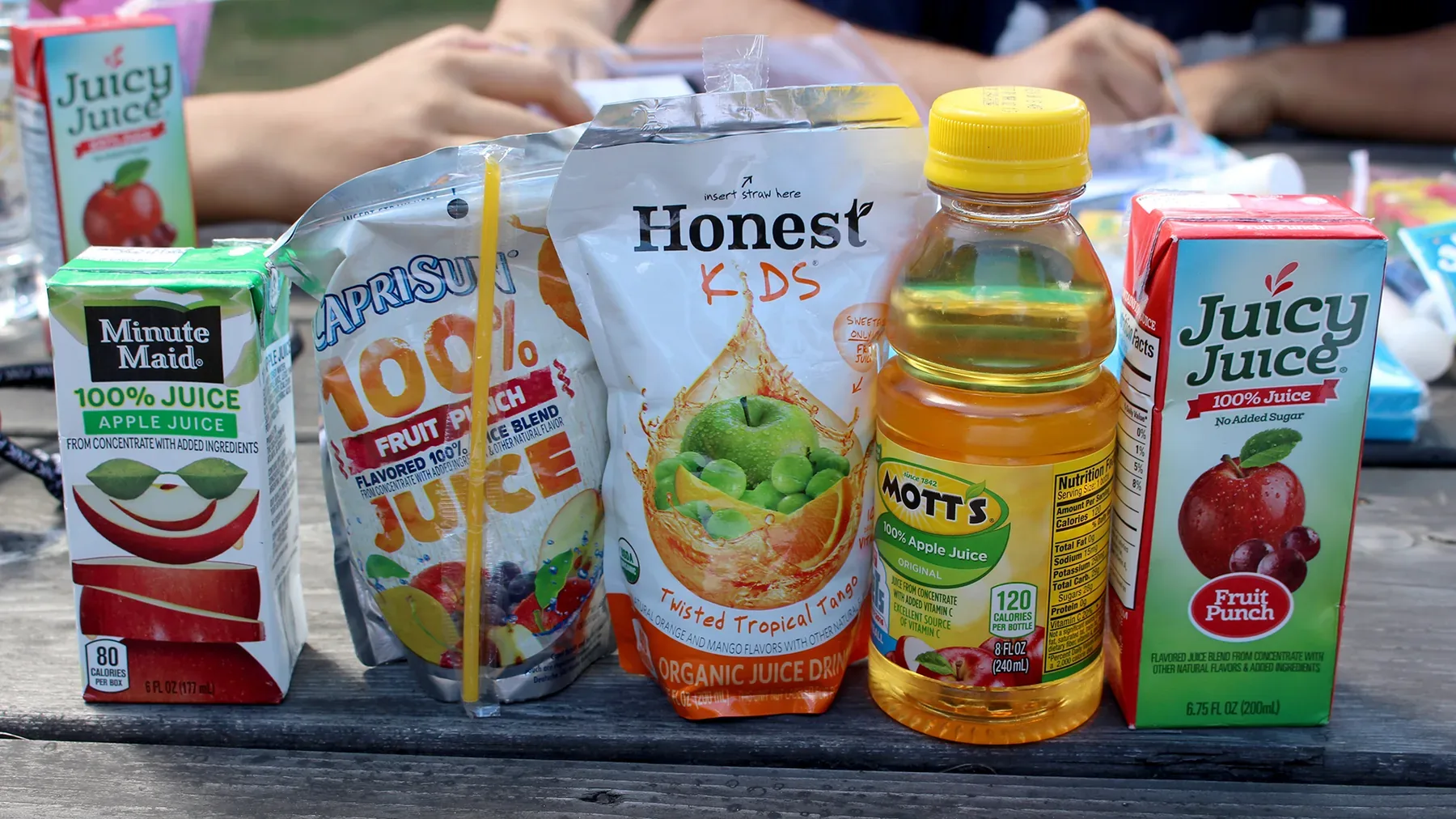
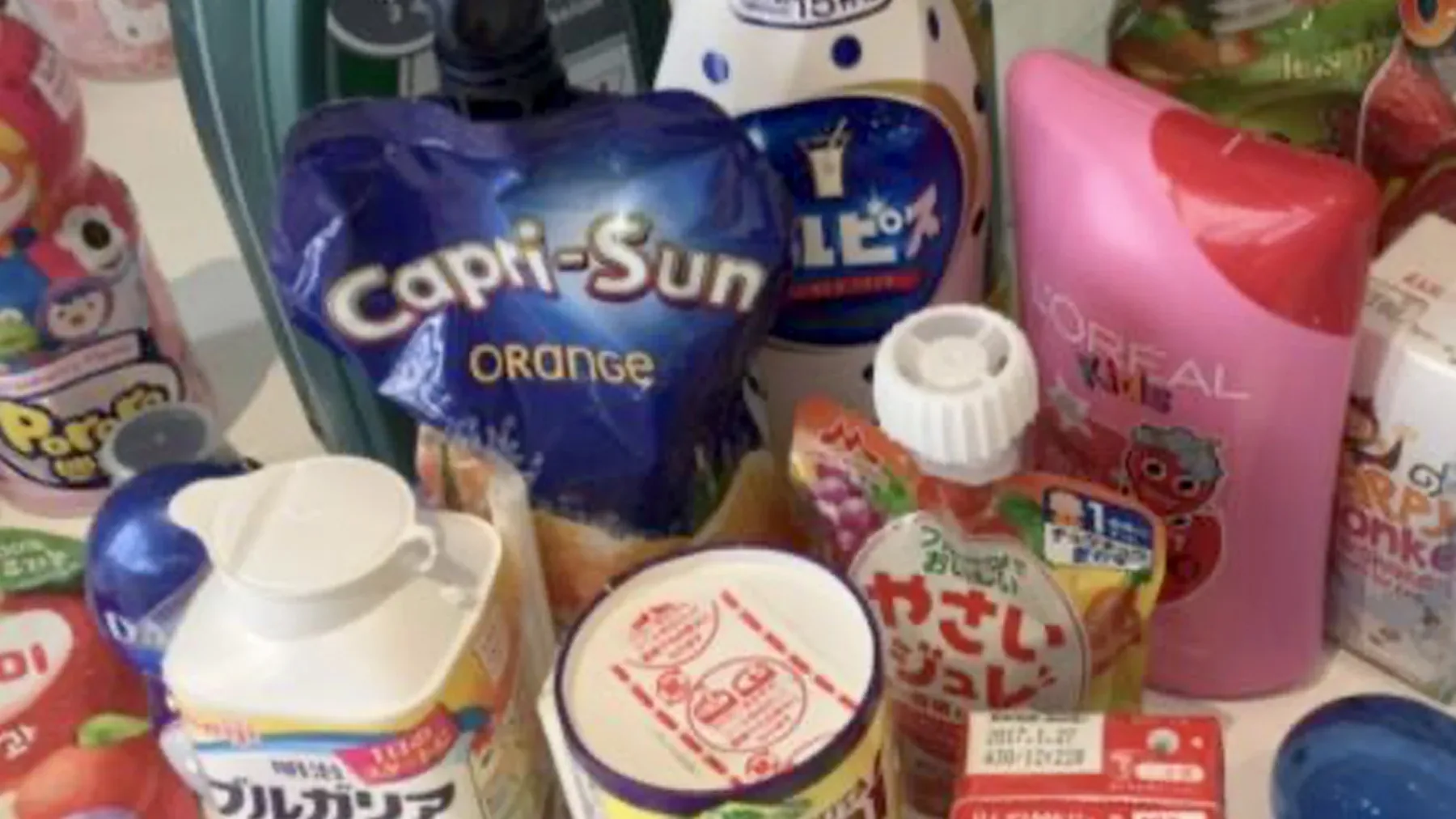
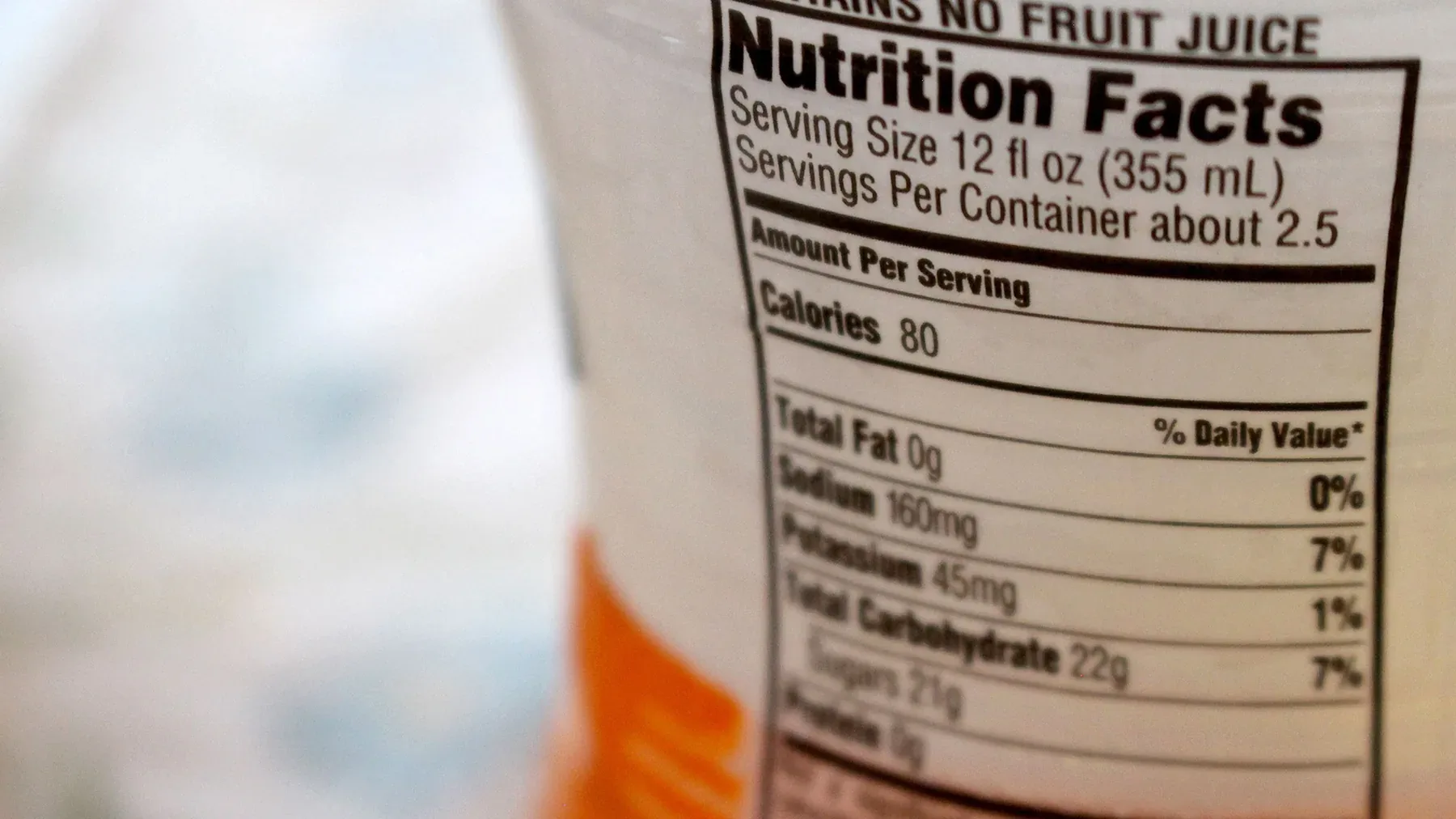
Key Insights
Parents prioritised trust and clarity over branding
Purchase decisions were primarily driven by legibility and perceived health credentials — playful aesthetics mattered only once trust thresholds were met.
Children responded to interaction and autonomy
Children engaged more strongly with packaging that felt interactive or gave them a sense of ownership — aesthetics alone were not enough to drive preference or sustained engagement.
Packaging complexity undermined usability and confidence
Overcomplicated closures, graphics, and opening mechanisms created friction for both children and parents — reducing confidence in use and repurchase intent.
Approach
Multi-method research designed to capture both parent and child perspectives across the full purchase and consumption journey.
 01
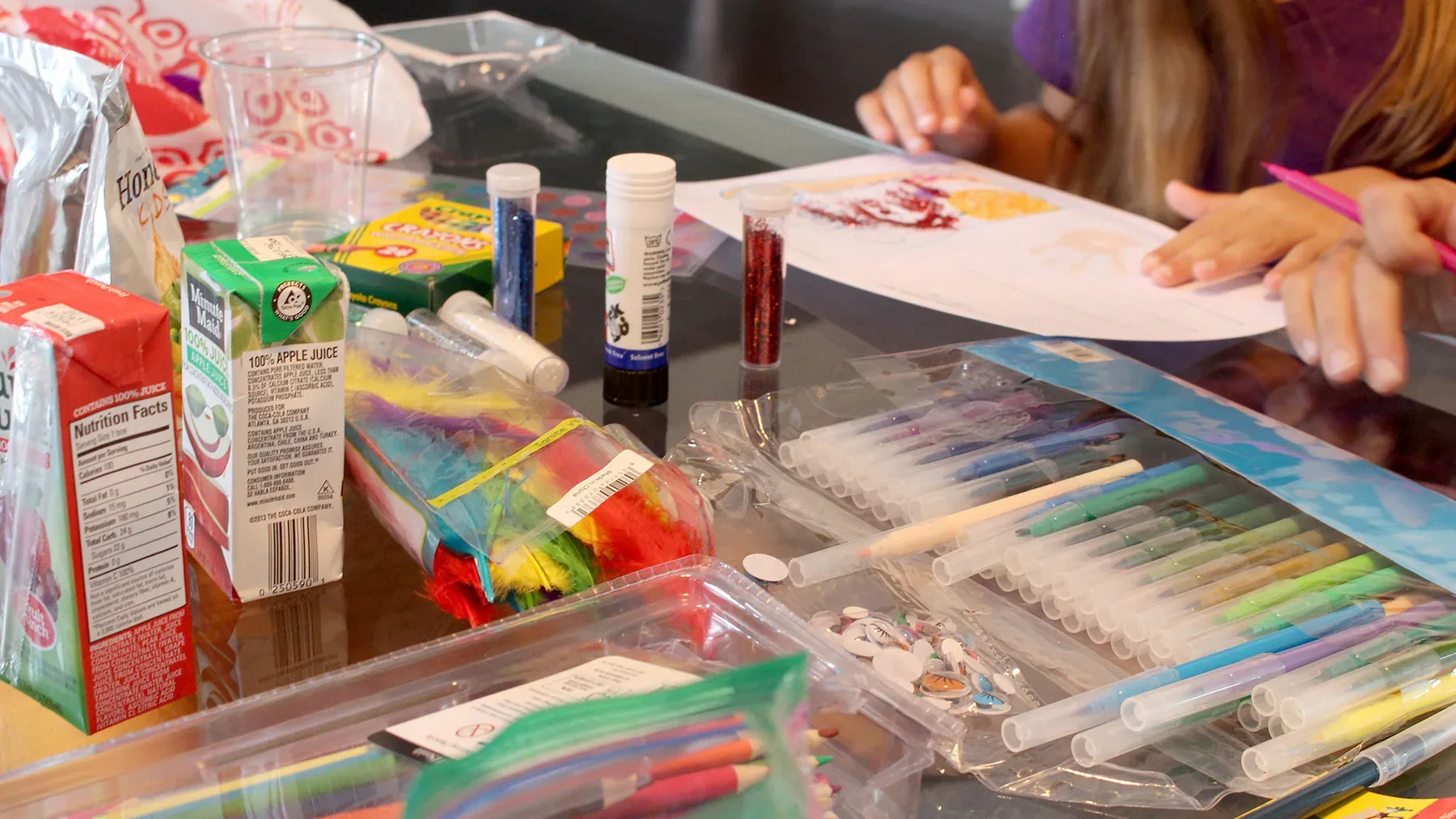
01 Immersion & inspiration activities
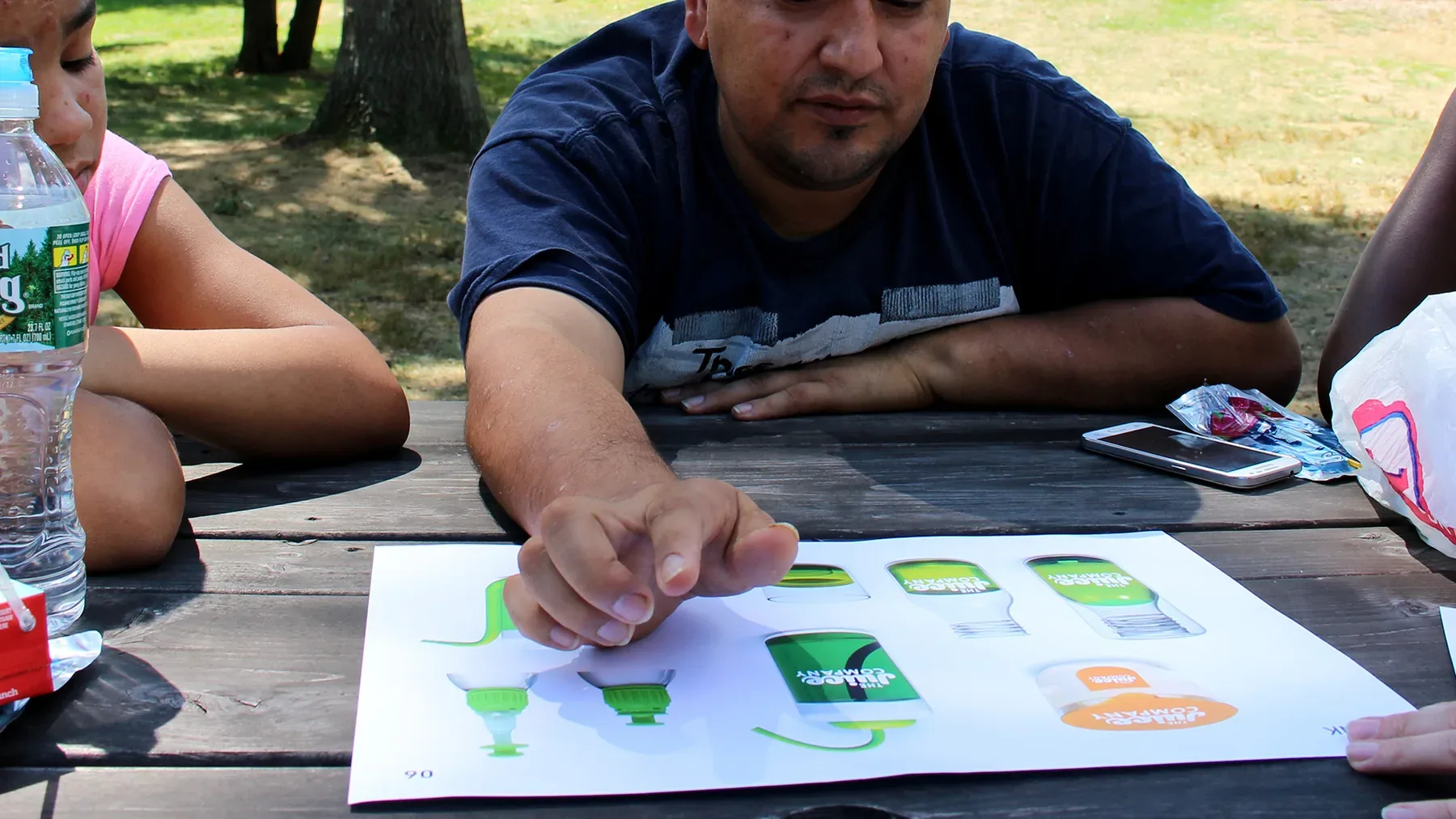
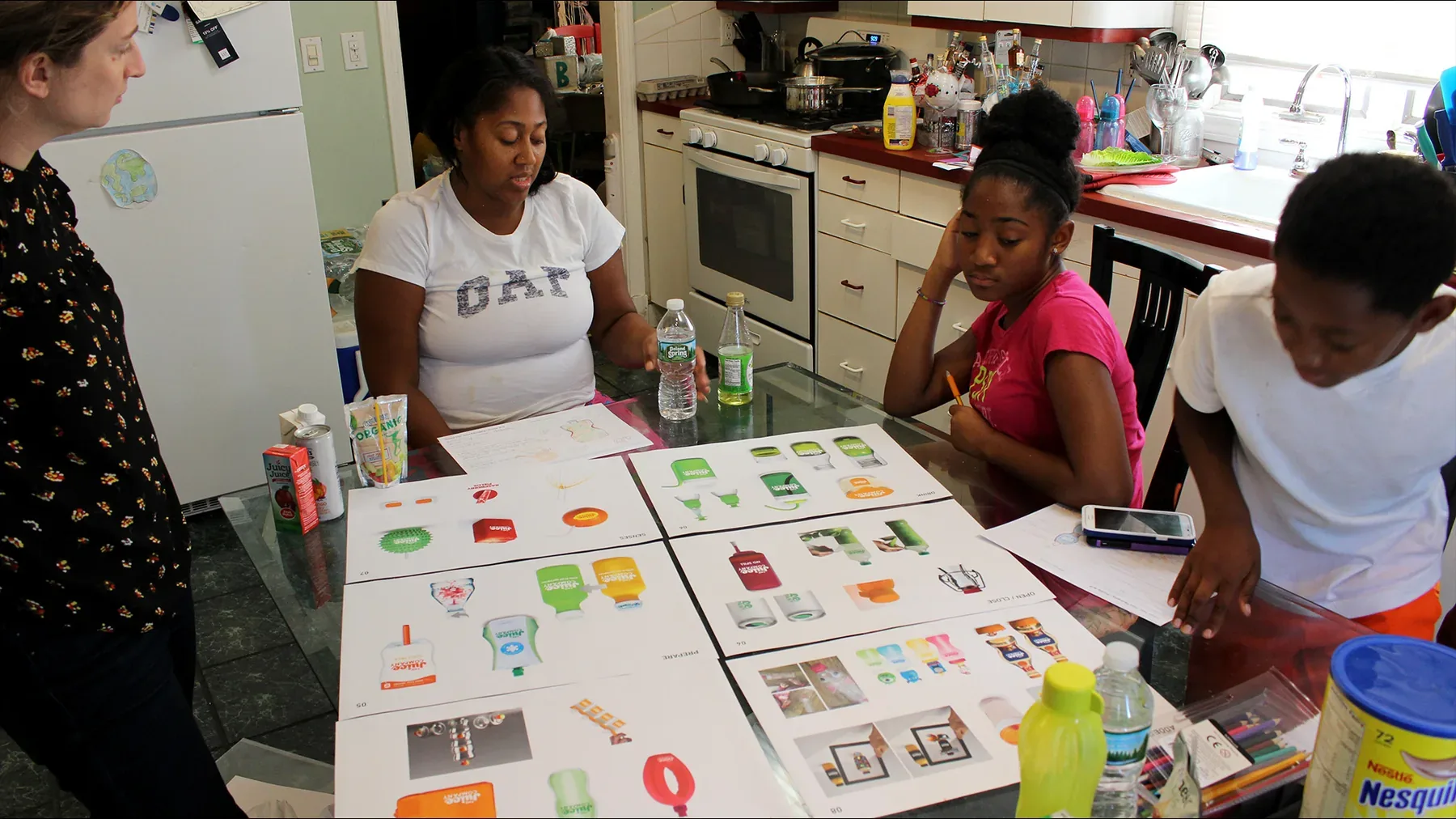
Co-creative sessions with parents and children to surface latent needs, associations, and desires around packaging — before preference patterns became rationalised.
 02
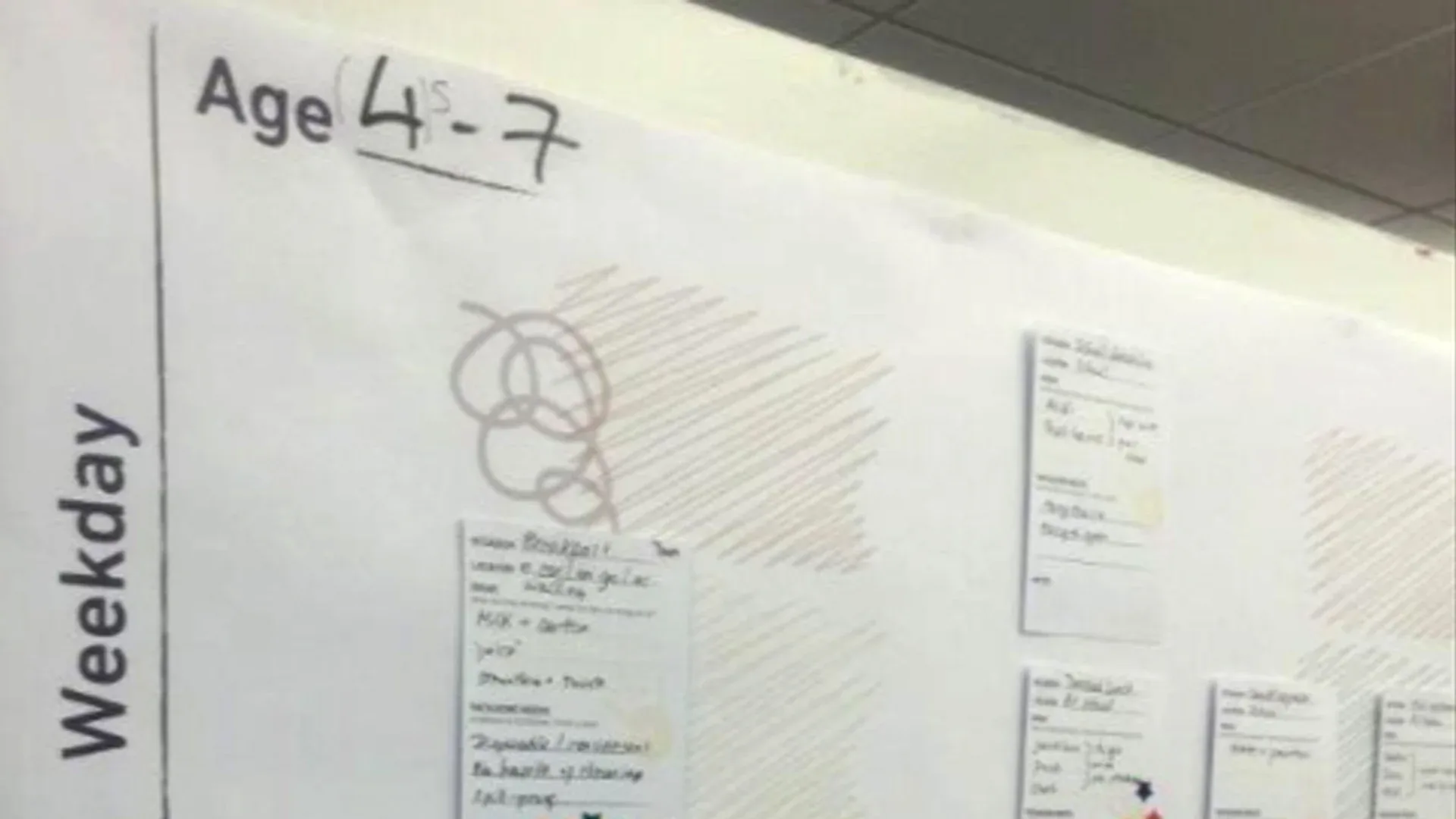
02 Journey mapping
Mapped the full journey from initial purchase decision through to consumption and disposal — identifying where packaging succeeded, failed, and created unexpected moments of friction or delight.
 03
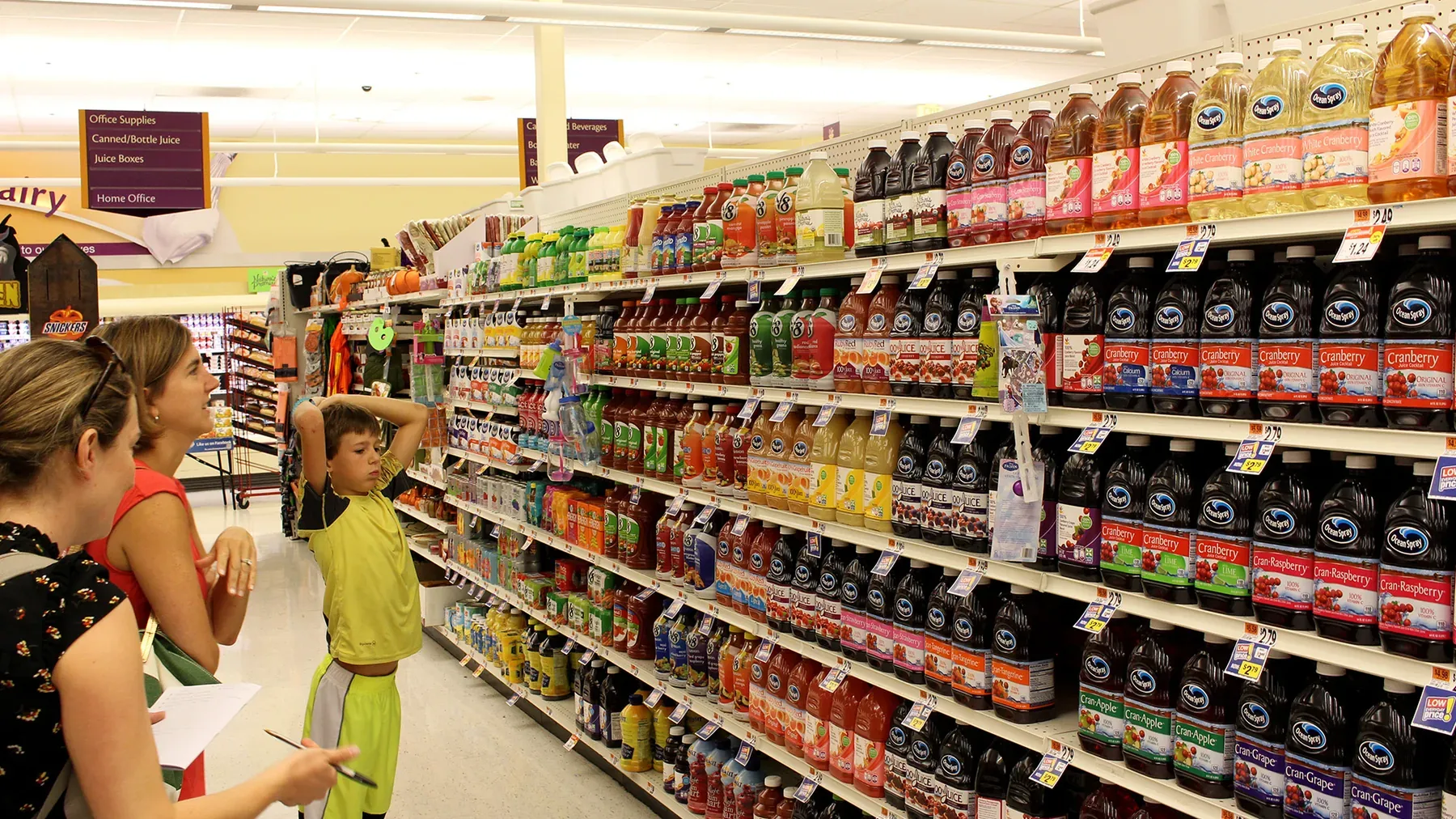
03 Contextual inquiry in retail environments
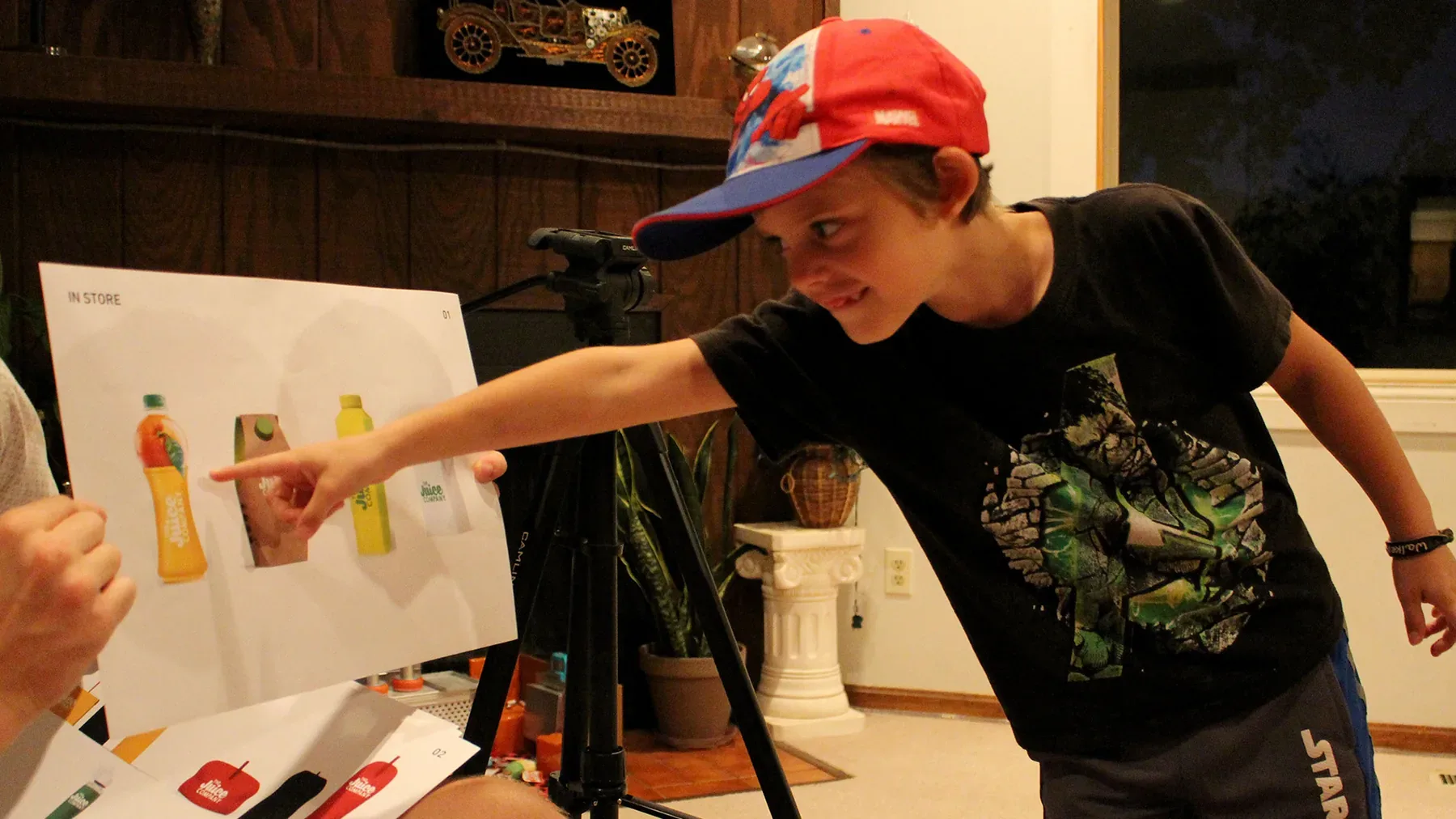
In-store observation and intercept research to understand how packaging performed in the actual decision environment — under real cognitive load, time pressure, and with competing options visible.
Role & Ownership
Design Researcher
- Led consumer research, synthesis, and opportunity framing — from study design and facilitation through to insight development and strategic recommendation.
- Translated research findings into clear innovation directions understood by creative and technical teams.
- Ensured work was grounded in real behaviour rather than stated preferences, maintaining connection to commercial realities throughout.
System & Capabilities Delivered
Frameworks that gave the creative team defined, evidence-based territories to explore with confidence.
 01
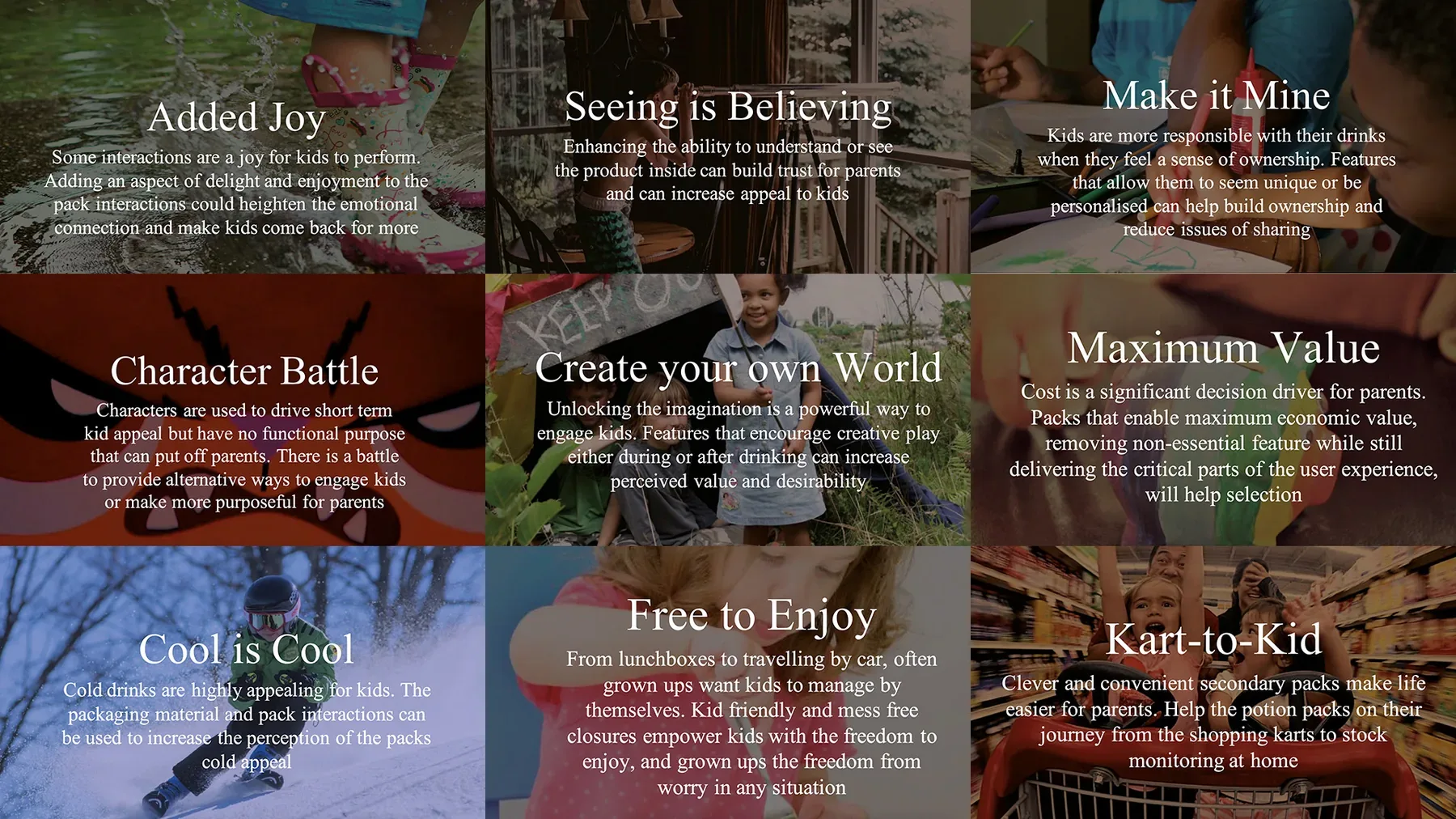
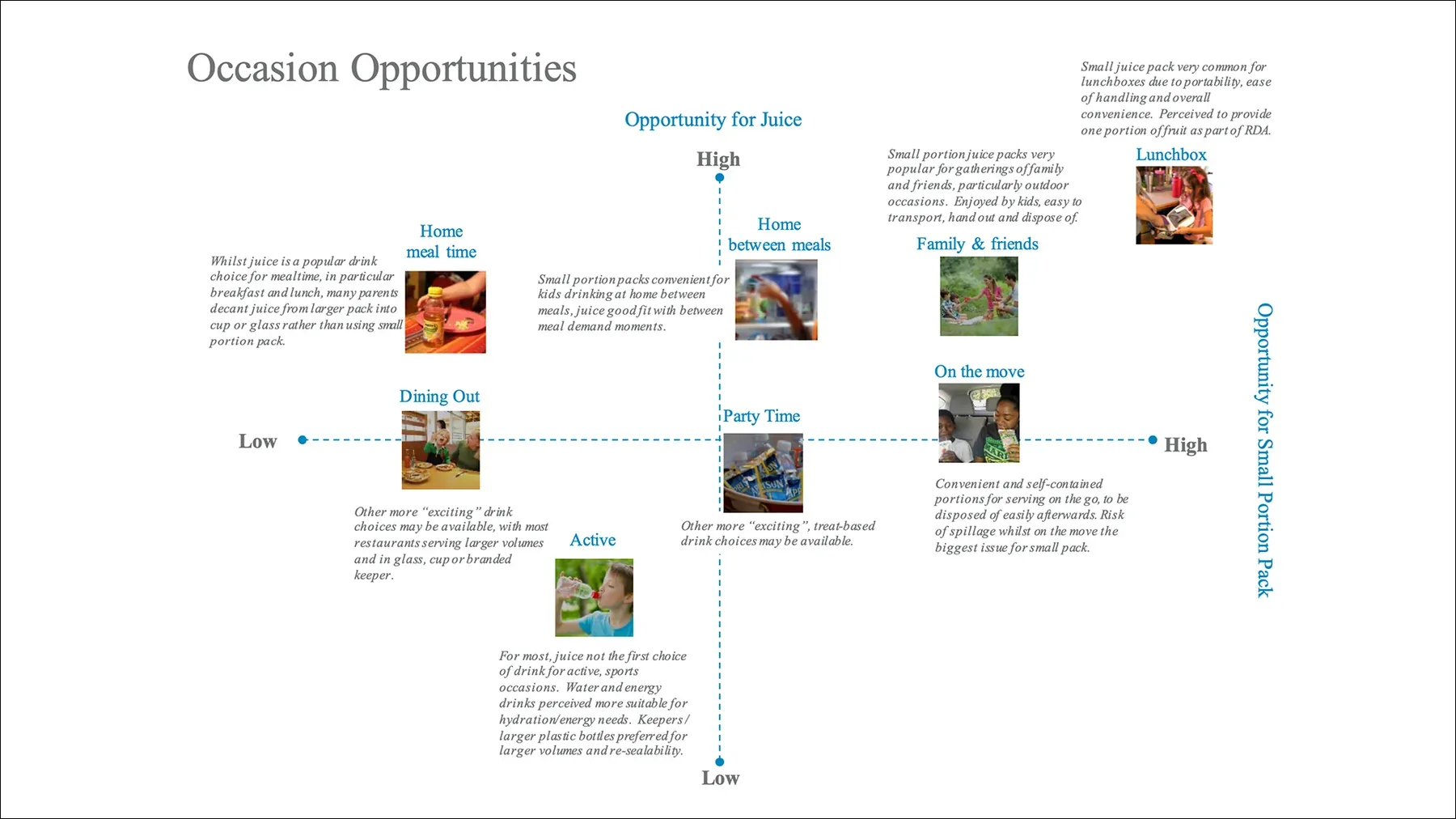
01 Opportunity platforms
Framed clear innovation spaces grounded in unmet needs — giving the creative team defined territories to explore with confidence.
View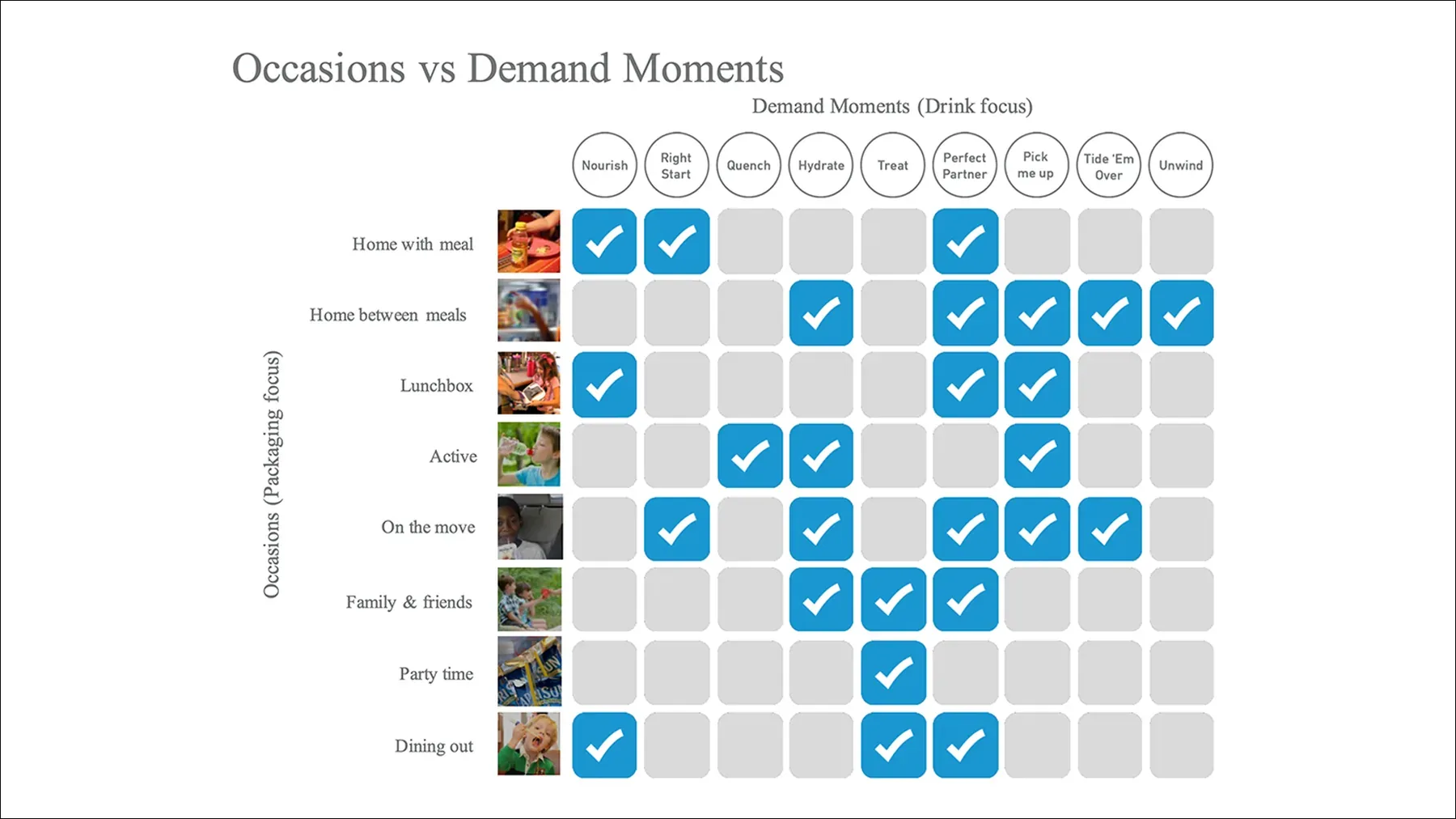 02
02 Demand moments framework
Mapped key moments in the purchase and consumption cycle where packaging had the greatest influence on behaviour and decision-making.
View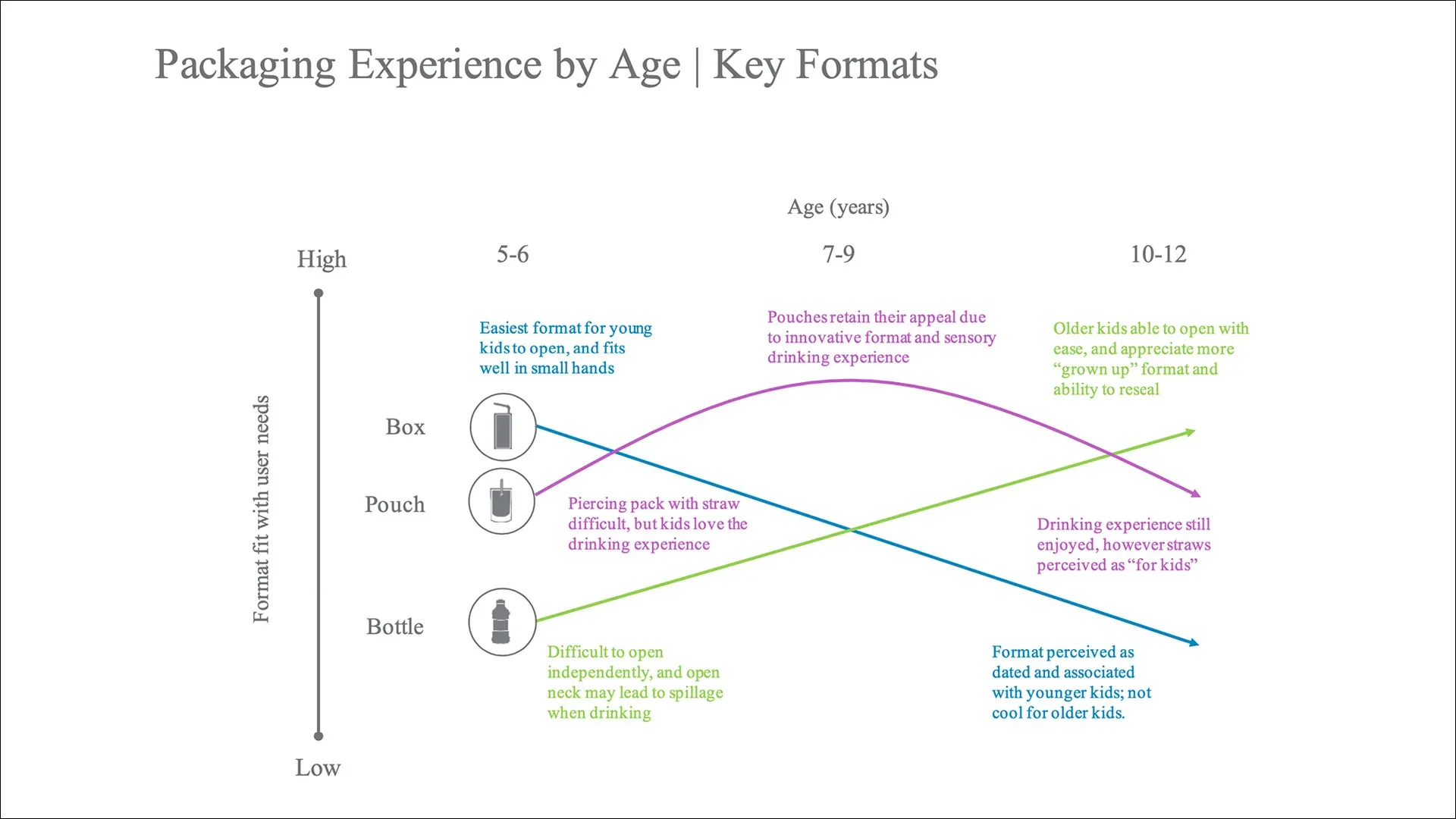 03
03 Role-of-age insights
Defined how packaging needs and responses shifted across child age ranges — enabling more targeted, developmentally appropriate design decisions.
View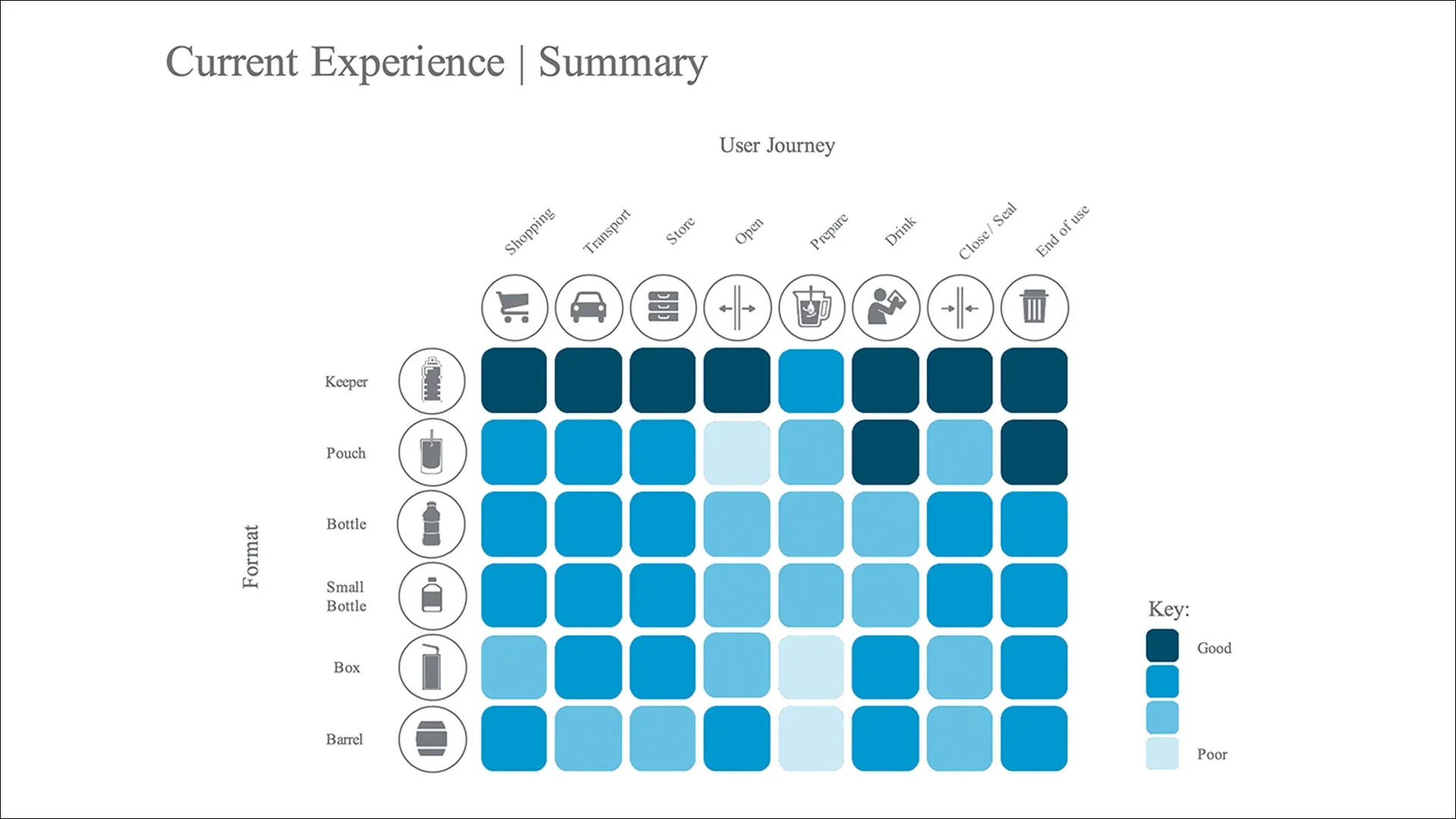 04
04 User journey frameworks
End-to-end journey maps capturing the parent and child experience from shelf to disposal — surfacing unmet needs and moments of friction across the full arc.
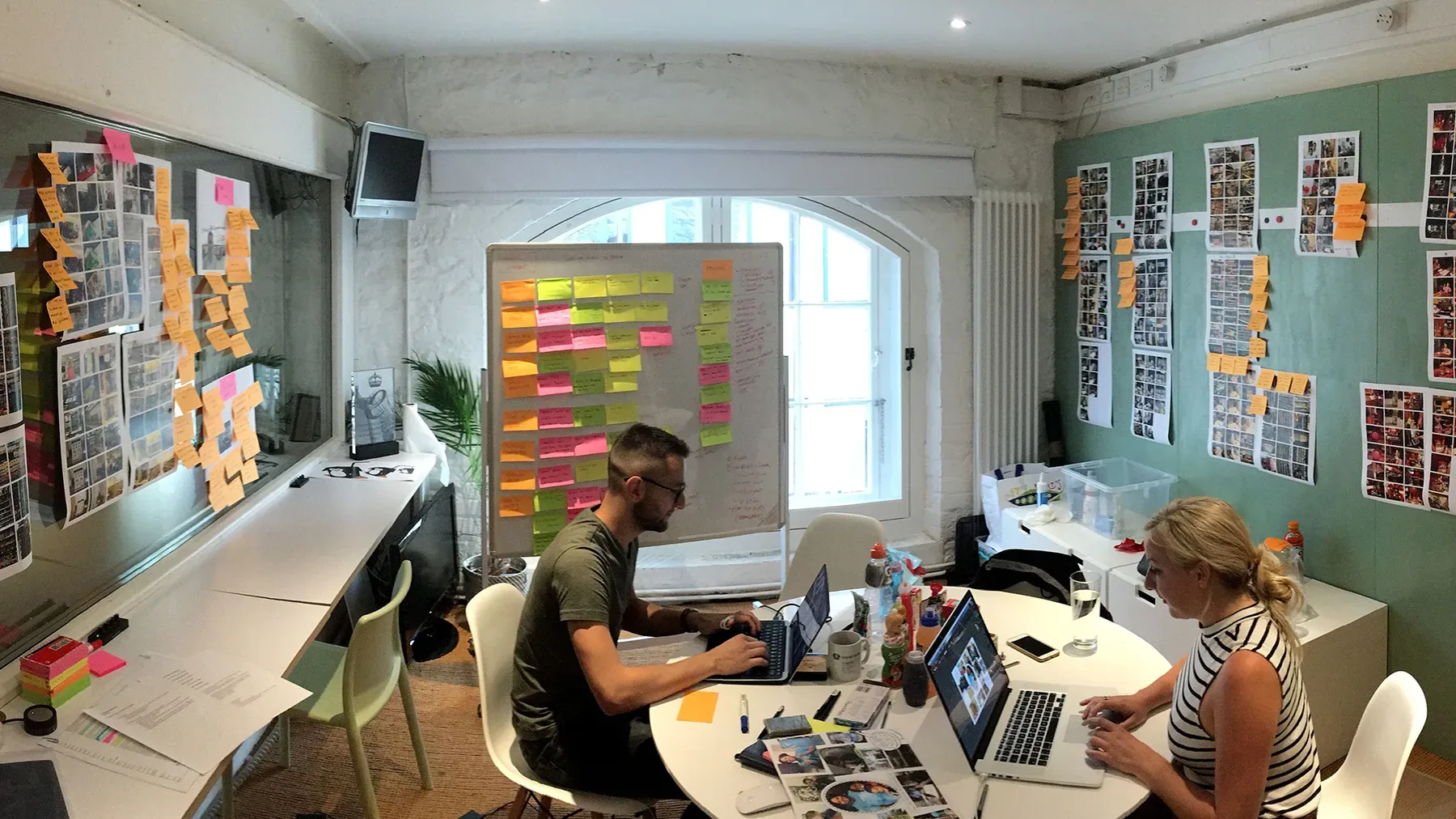
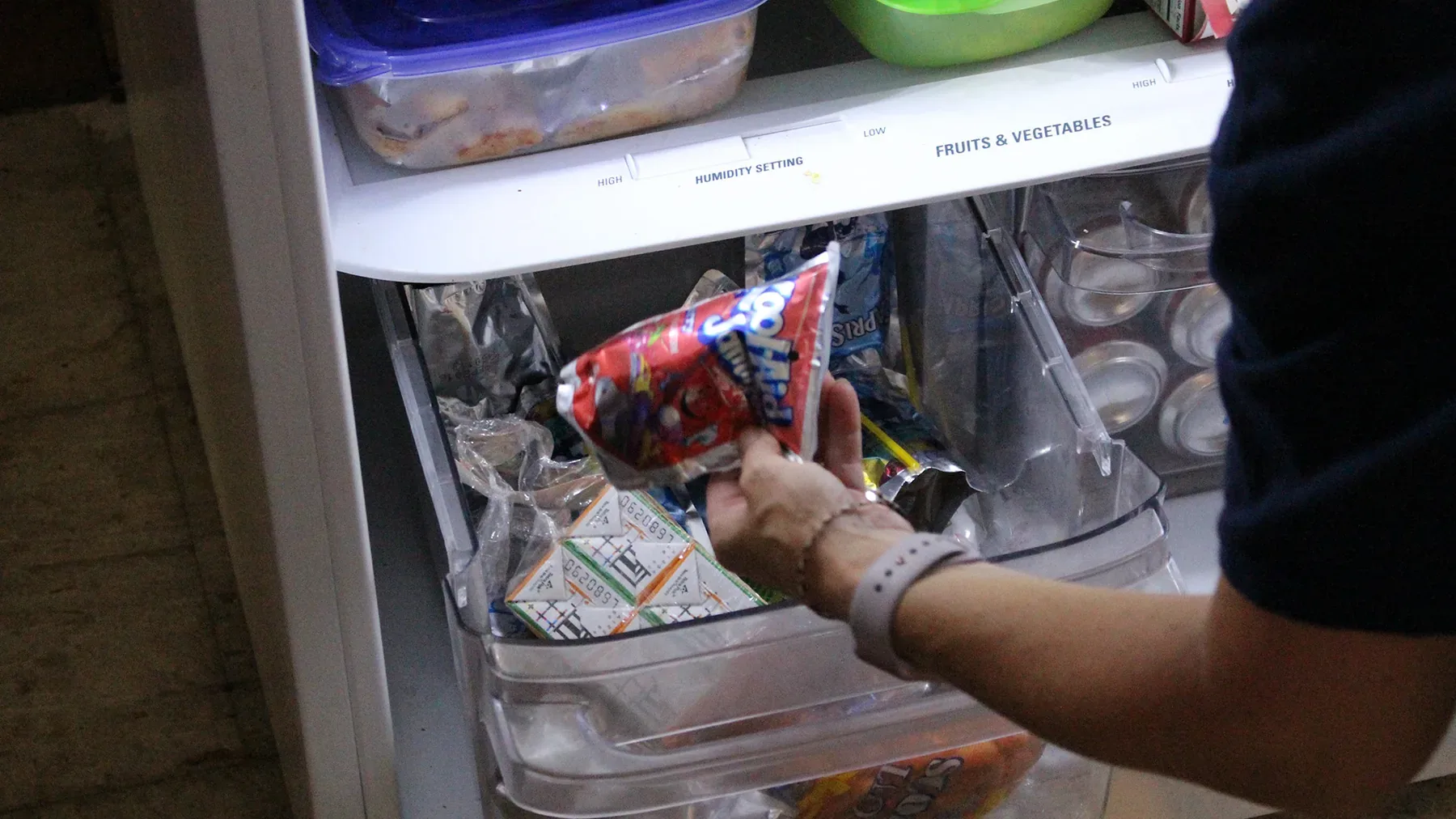
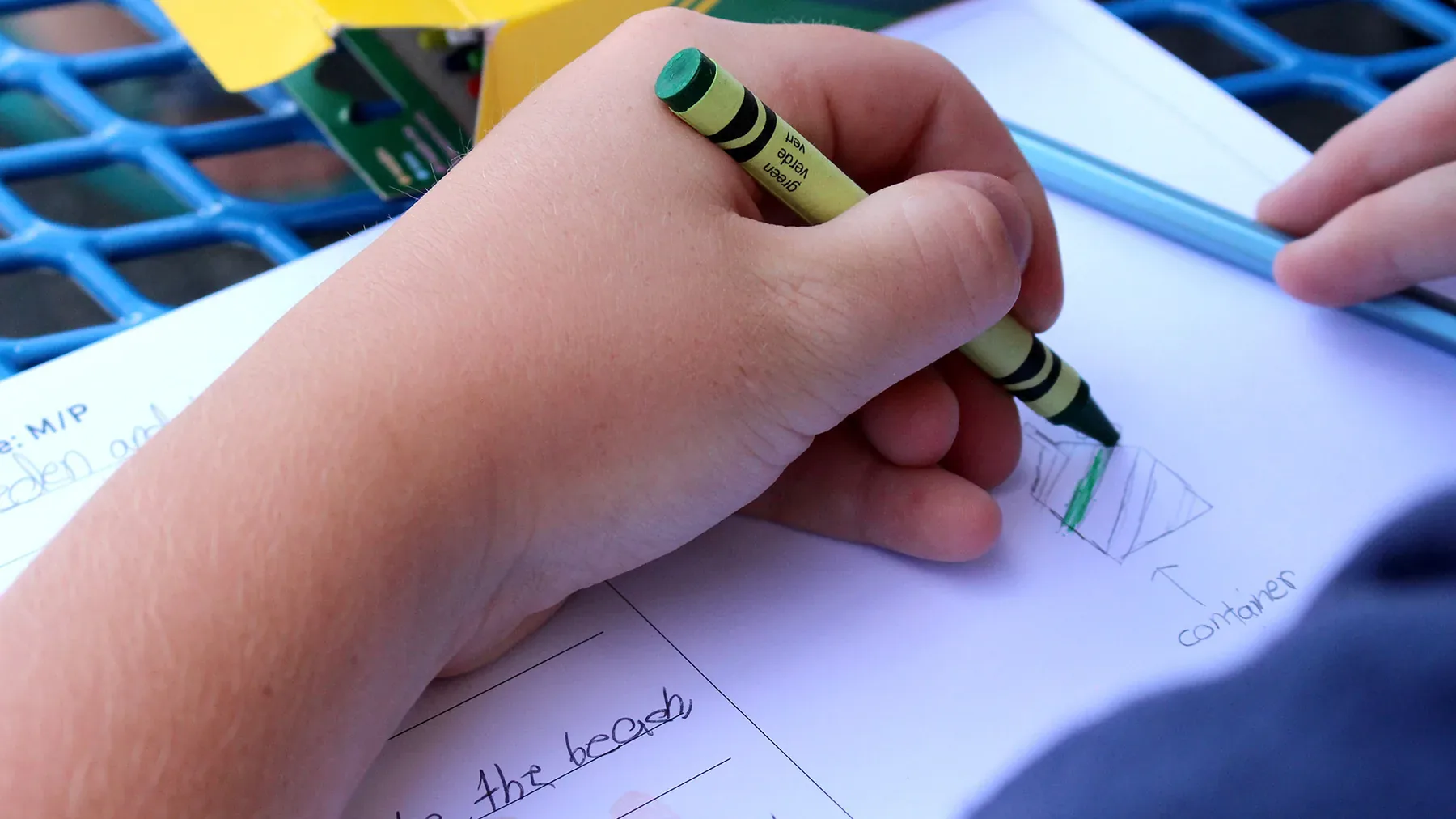
ViewPackaging Research Gallery
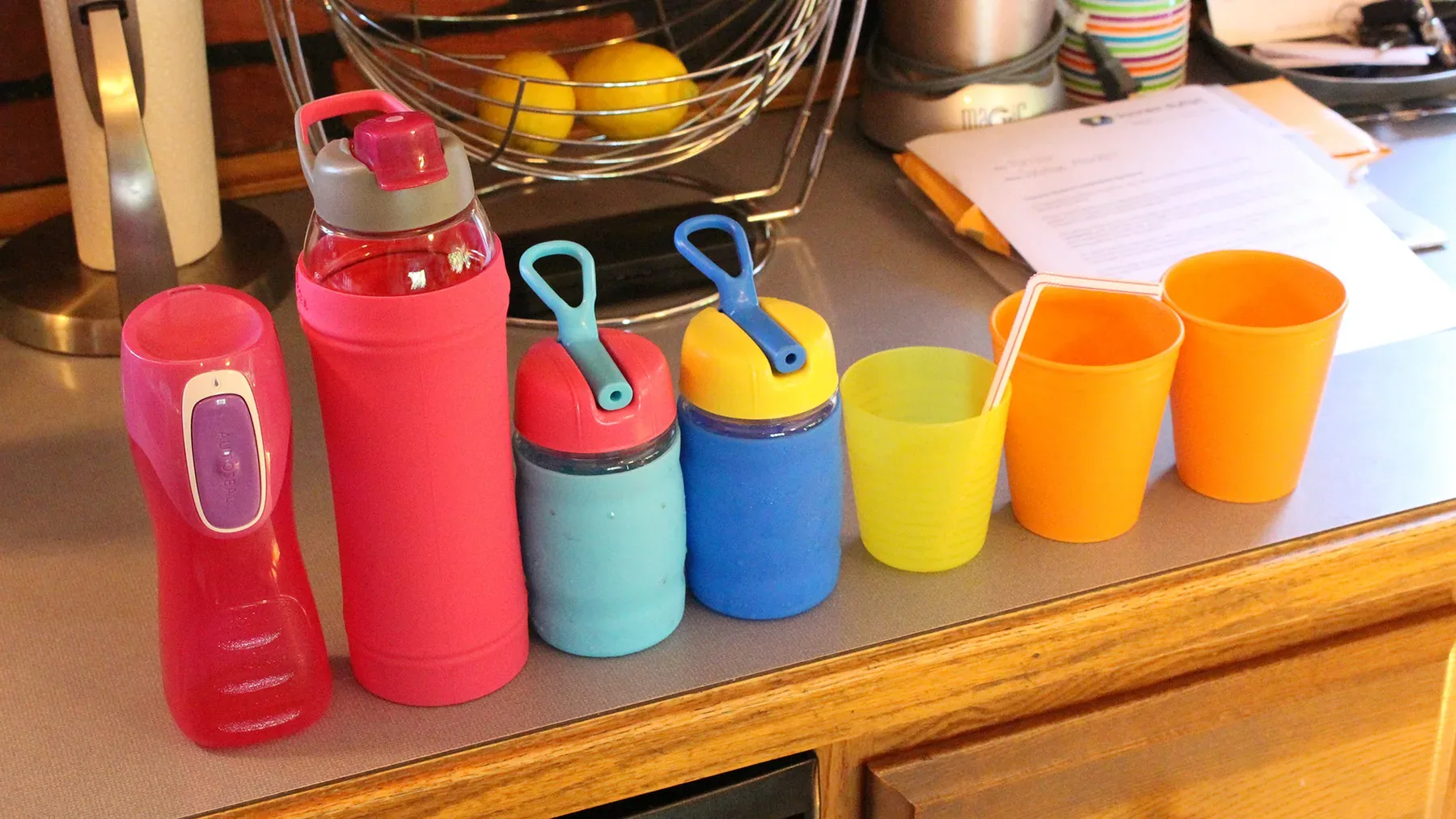
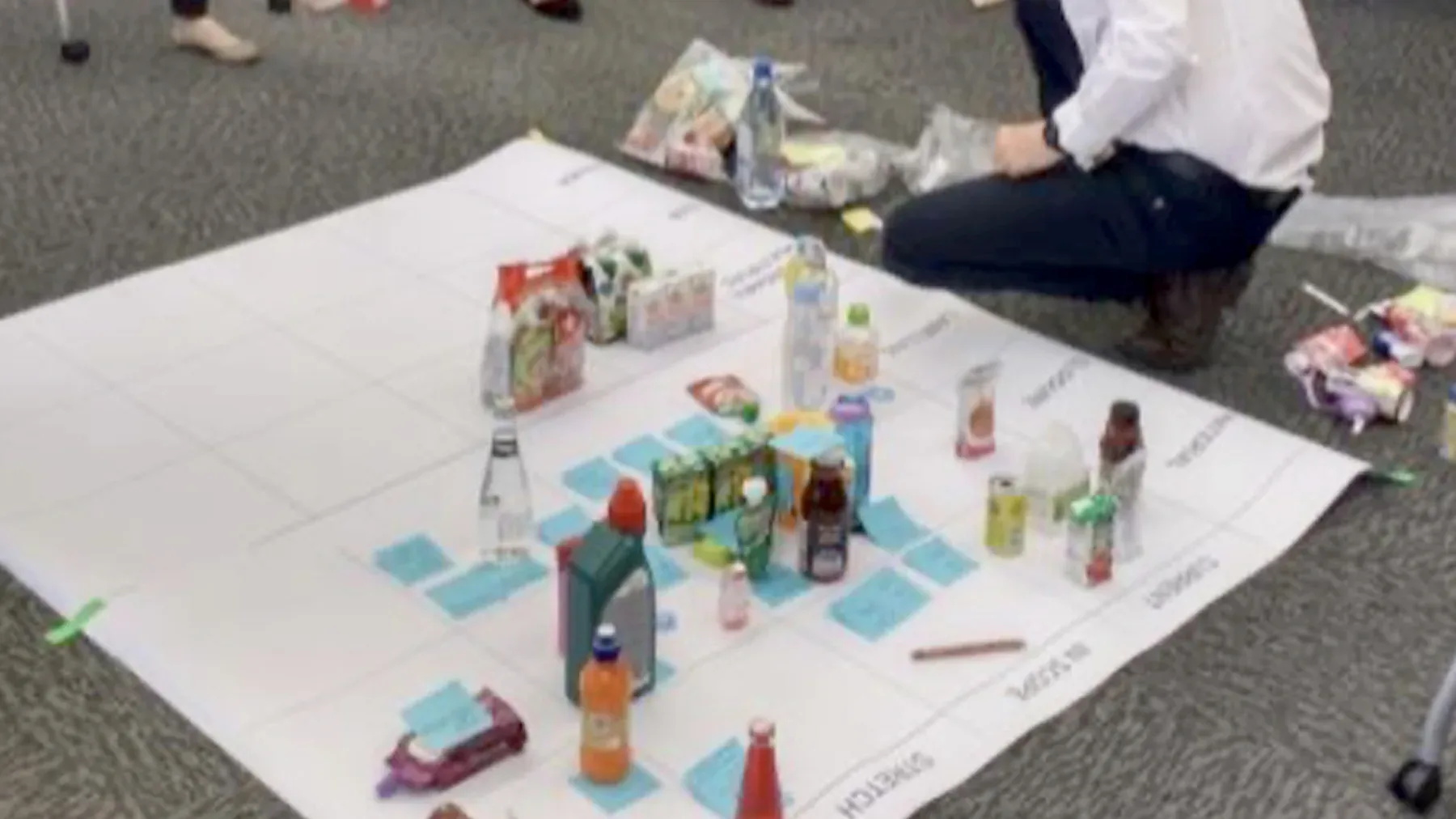
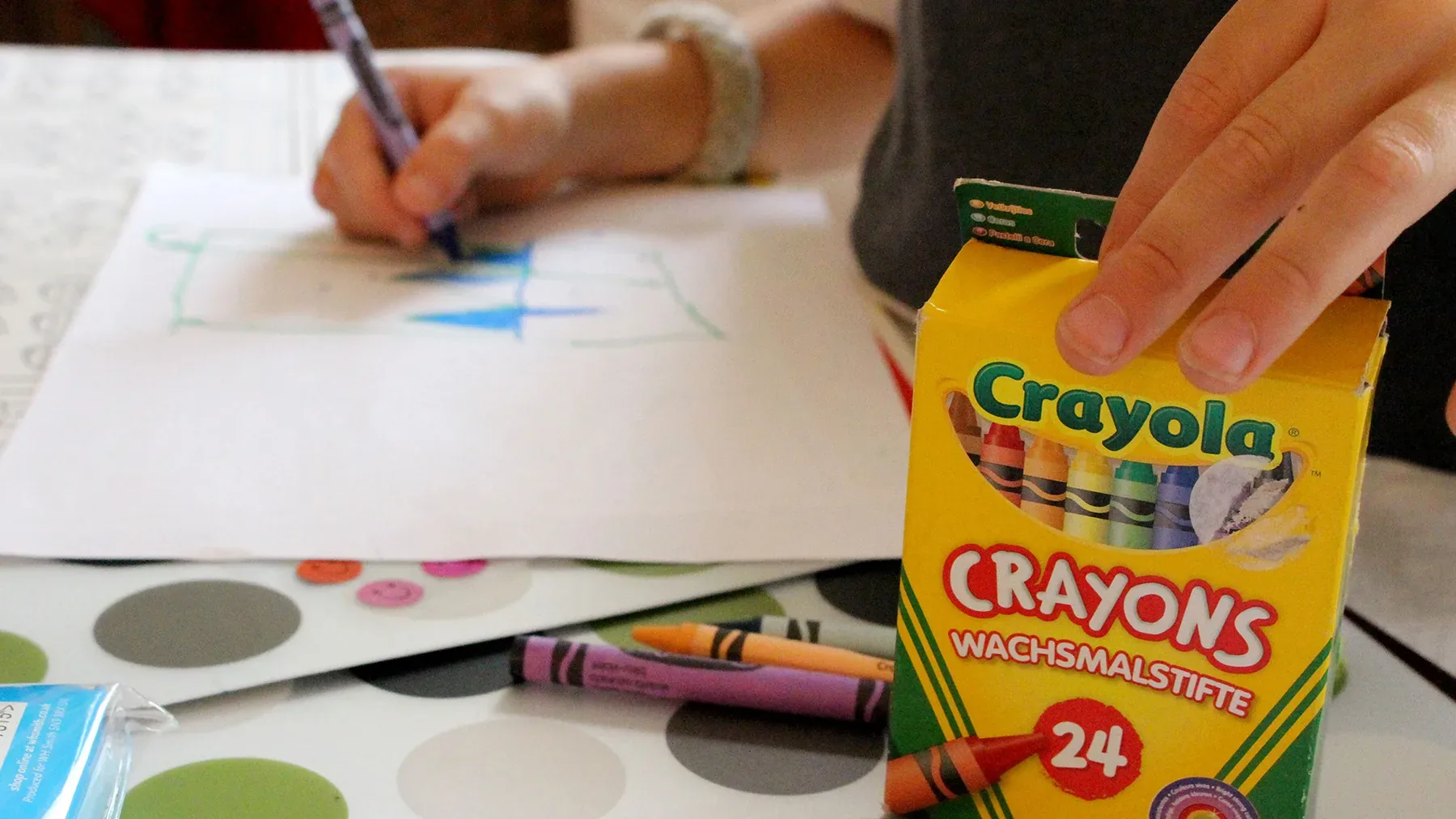
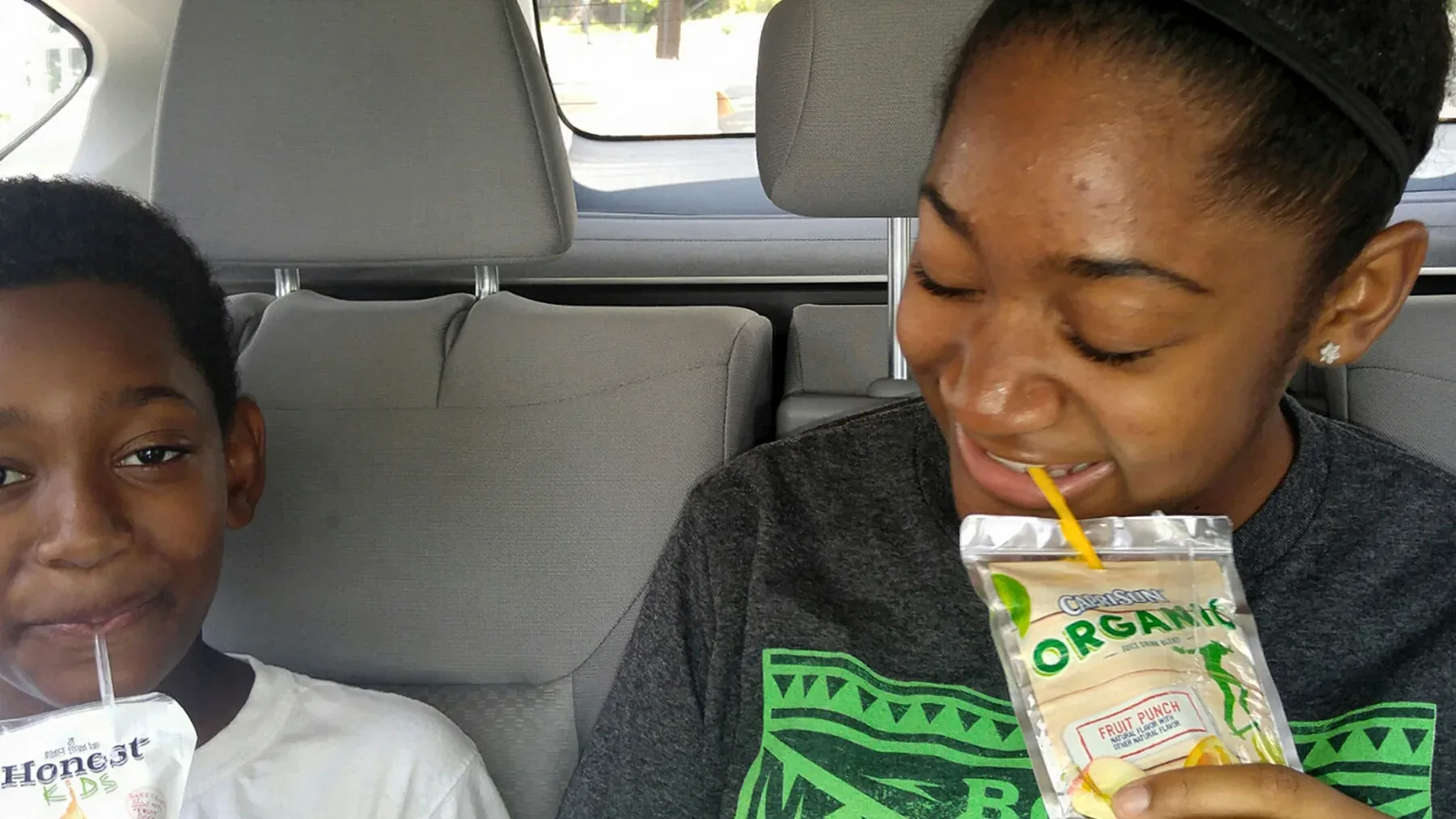
Visual documentation from research sessions and packaging evaluation activities.

Outcome & Impact
Research that shifted the conversation from assumptions to evidence-led design direction
Clear innovation directions grounded in consumer behaviour
Delivered evidence-based opportunity spaces, shifting conversation from assumptions to insight-led direction.
Aligned creative and technical teams
Shared frameworks provided a common reference point for stakeholders, reducing misalignment and accelerating concept development.
Informed future packaging concepts and positioning
Research directly shaped subsequent concept development and brand positioning decisions within the kids' drinks category.