CITB — Immersive Learning Strategy
How immersive learning became a funded national strategy for the UK construction industry — informed by national-scale research and industry insight
Uncovering the potential for immersive technology in construction training, and identifying the barriers preventing large-scale adoption across the industry.
Context & Constraints
The construction industry faces systemic challenges in skills development, including fragmented training provision, high costs, safety risks, and declining appeal to a younger workforce — concerns at the heart of the Farmer Review. CITB commissioned this research to understand whether immersive learning could address these challenges in a practical, scalable way — and what would be required to support industry-wide adoption. The key risk was significant investment without clear evidence of readiness, value, or alignment across employers, training providers, and regulators. Without this clarity, investment risked being fragmented, misaligned, or delayed across the sector.



Key Insights
Informal adoption, no standards
Immersive learning was already in use across the industry — but without shared frameworks, standards, or funding support.
Evidence before commitment
Employers needed proof of real-world training outcomes before they would commit to adoption at scale.
Cost wasn't the real barrier
Leadership gaps and lack of coordination across the industry were the true constraints — not budget.
Industry shift, not a tech experiment
Scaling required repositioning immersive learning as a strategic move for the sector, not a technology pilot.
Approach
Designed to reduce risk and enable confident national-level decision-making for CITB leadership.
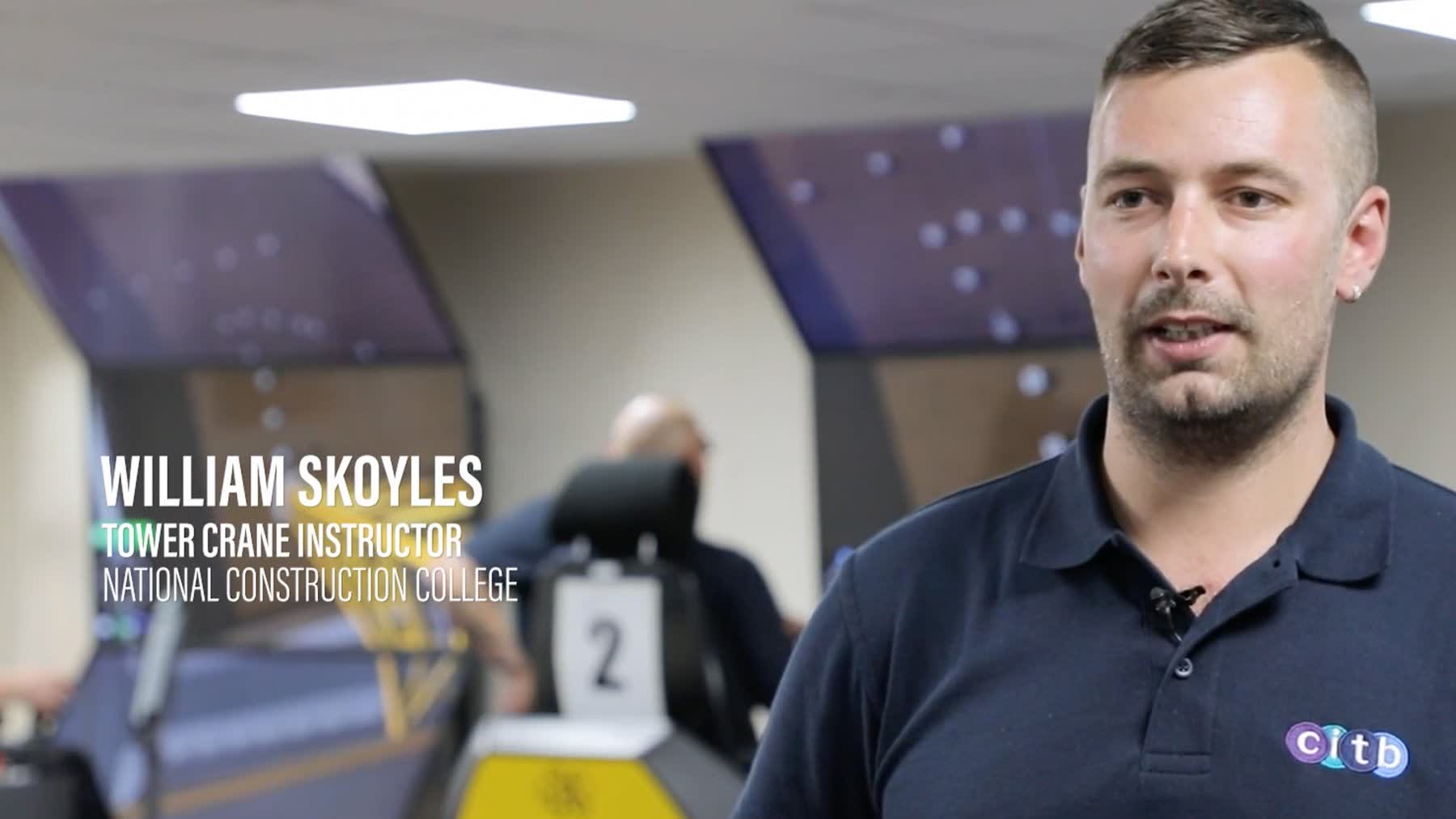
Depth interviews (×30)
Conducted interviews with employers, trade associations, federations, training bodies, and technology companies to understand needs, constraints, and adoption barriers.
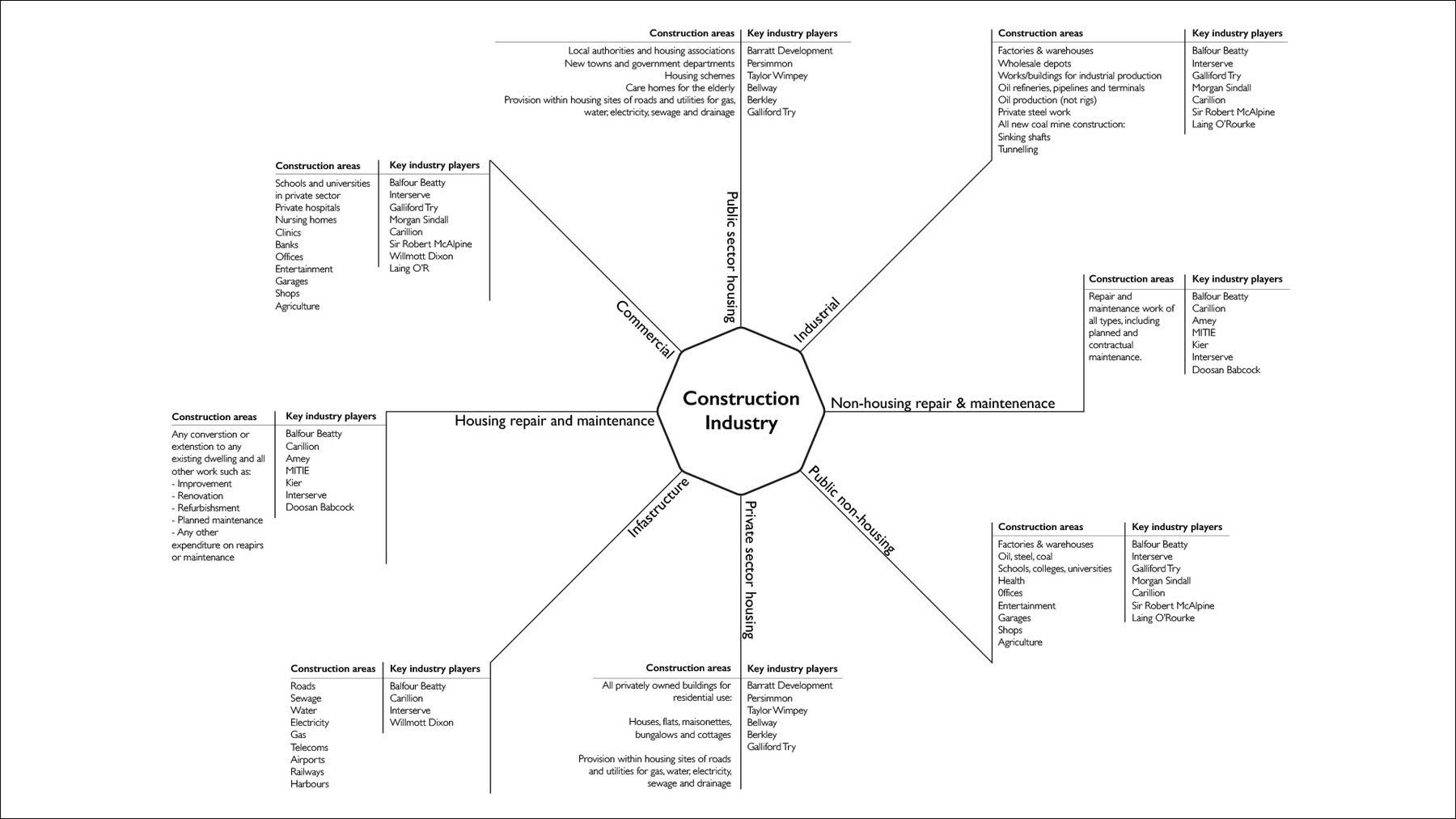
Industry mapping
Desk research and expert consultations to map existing training pathways, stakeholder relationships, and points of influence across the construction ecosystem.
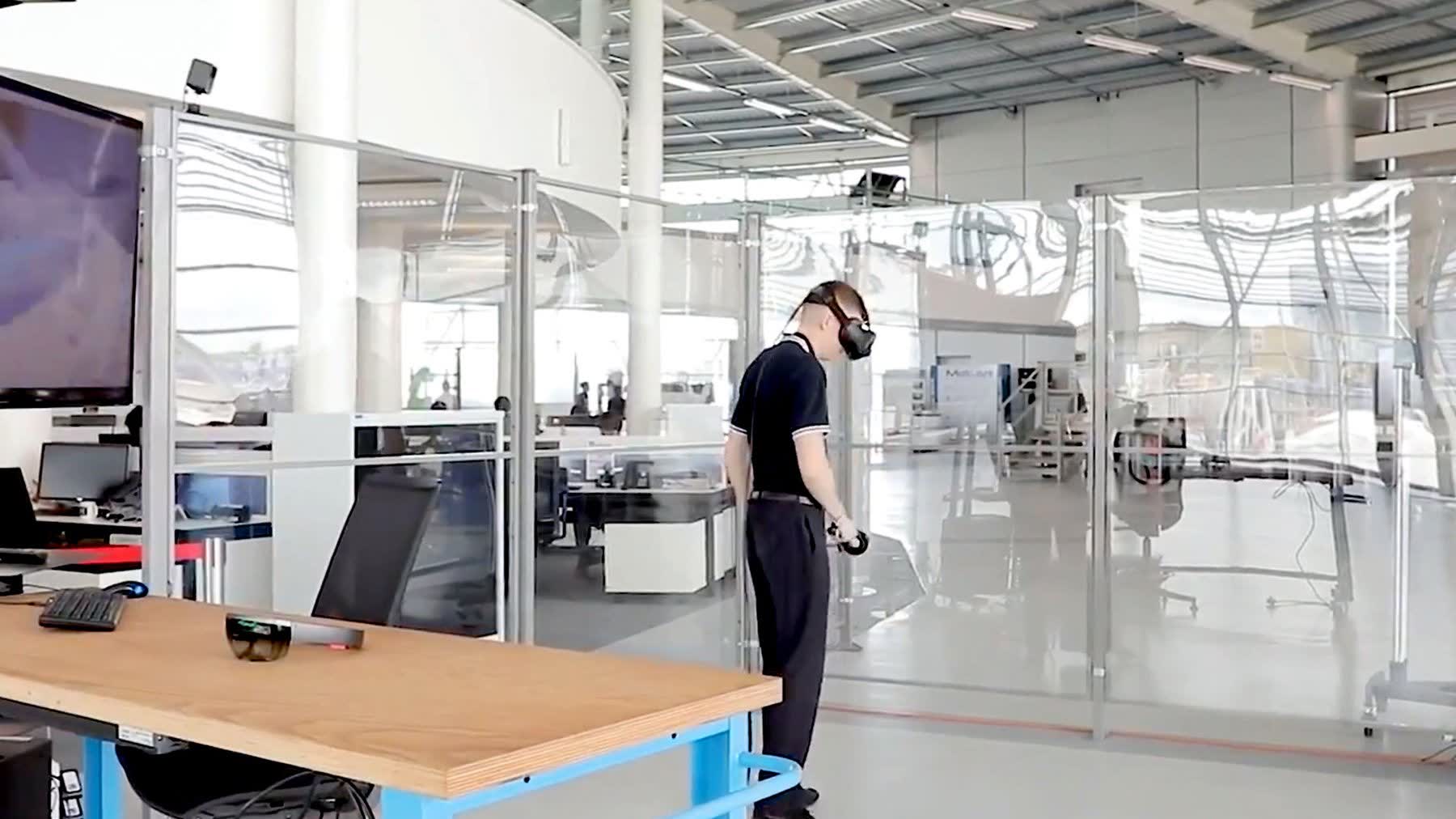
Site visits (×11)
Observed immersive technology being used in real training environments, construction sites, and educational institutions to ground findings in practical reality.
Role & Ownership
Design Researcher
- Led research strategy, planning, and delivery. Designed and conducted interviews and site visits, synthesised findings, and translated insights into clear narratives for senior stakeholders.
- Owned the insight-to-decision flow — from discovery through to executive presentations, published outputs, and industry engagement.
- The work directly informed strategic planning, funding decisions, and external industry positioning.
System & Capabilities Delivered
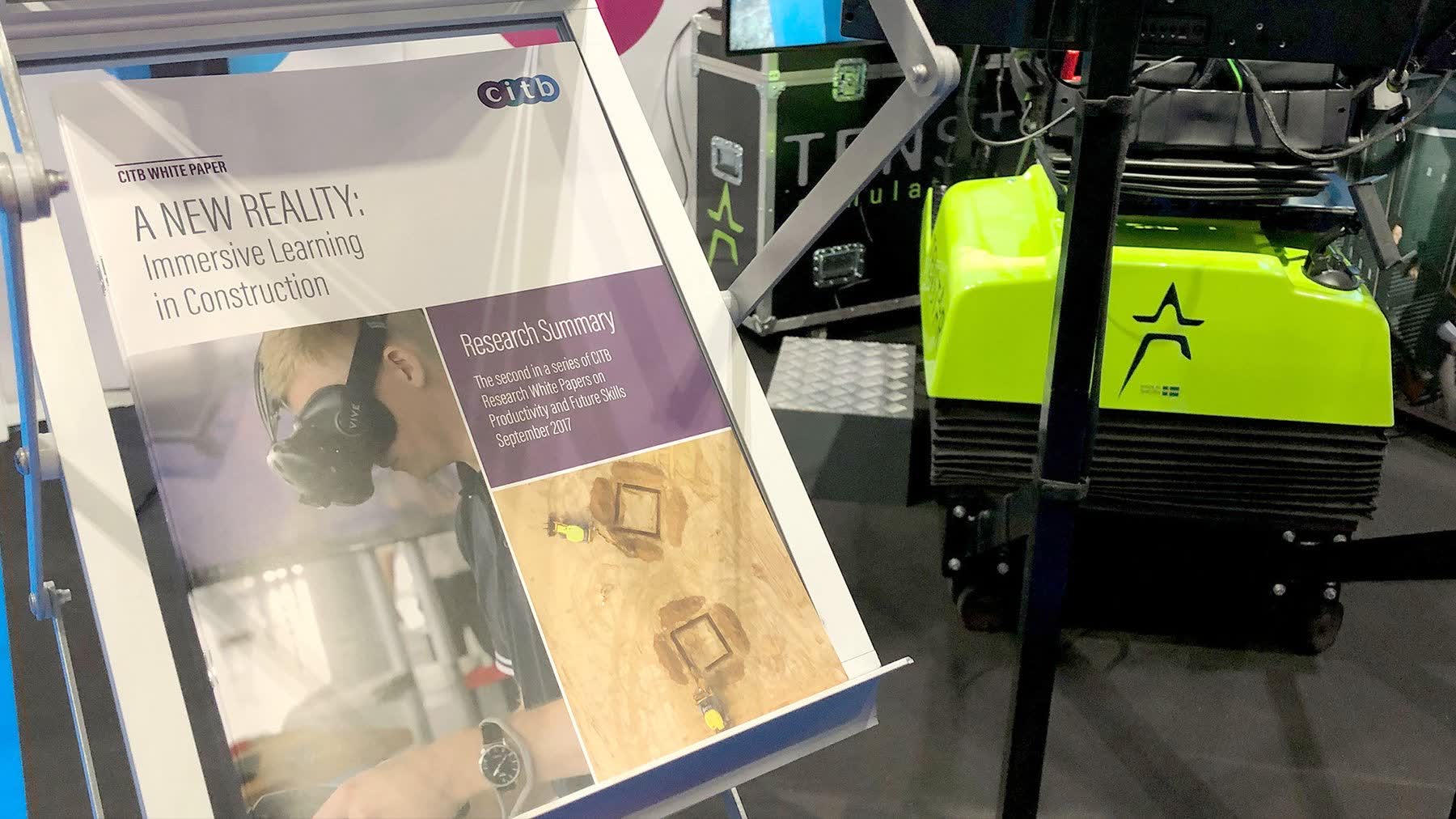
Artefacts were used to align stakeholders, inform strategy, and support funding decisions.
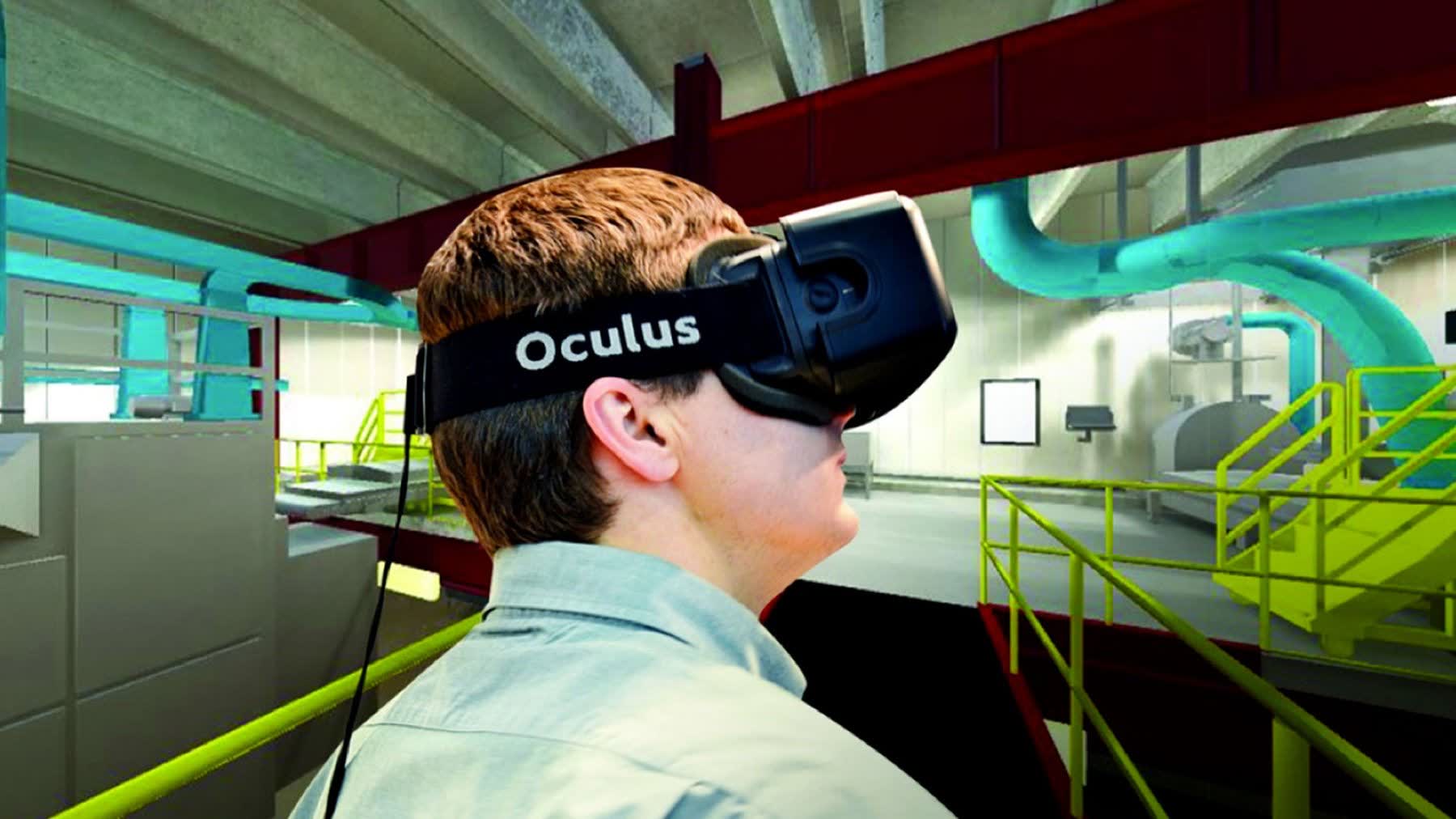

"The industry requires collaboration and leadership to ensure this approach to training is introduced in the most effective and sustainable way possible"
Ben Lever
Skills & Innovation Lead, CITB
Outcome & Impact
From insight to national investment
First of its kind report for the UK construction industry
Established a shared evidence base for immersive learning adoption.
Business plan influence
CITB committed to immersive learning as a core focus within its 2018–2021 strategy.
Read more£1.5 million in funding
Made available to employers who could demonstrate how immersive learning would enhance construction training.
Read moreOngoing working relationship
Led to subsequent projects focused on up-skilling the future construction workforce.
Read more